Why Choose Polyurethane Crack Injection for Waterproofing?
Polyurethane crack injection is a specialised method for sealing leaking or active cracks in concrete. Unlike rigid fillers, polyurethane foam expands to fill irregular voids and forms a water-tight seal. It’s ideal for underground structures, basements, and retaining walls where water intrusion is a concern.
Here’s what makes this method unique and where it’s most applicable.
What Makes Polyurethane Injection Suitable for Wet Conditions?
- Reactive Expansion
The material expands significantly when it contacts moisture, forcing itself deep into cracks and crevices. This makes it particularly suitable for sealing even fine or hairline cracks in wet conditions. - Waterproof Seal
Upon curing, polyurethane forms a flexible, water-tight seal that prevents further water ingress. This is especially useful for long-term leak prevention in structures exposed to ground moisture or water pressure. - Adaptability to Irregular Cracks
Polyurethane can penetrate irregular or jagged cracks that would be difficult to seal with rigid materials. Its foam-like expansion fills gaps completely.
Where is Polyurethane Injection Commonly Used?
- Basement Walls and Underground Parking
These areas are prone to groundwater seepage. Injection seals cracks from the inside without the need for external excavation, making it cost-effective and minimally disruptive. - Concrete Joints and Retaining Walls
Movement from soil pressure or moisture can create gaps. Polyurethane’s elasticity makes it suitable for these high-movement zones. - Elevator Pits and Tunnels
Subterranean concrete structures often suffer from water leaks. Polyurethane injections offer a reliable sealing solution in these critical areas.
How is the Injection Performed?
- Low-Pressure Application
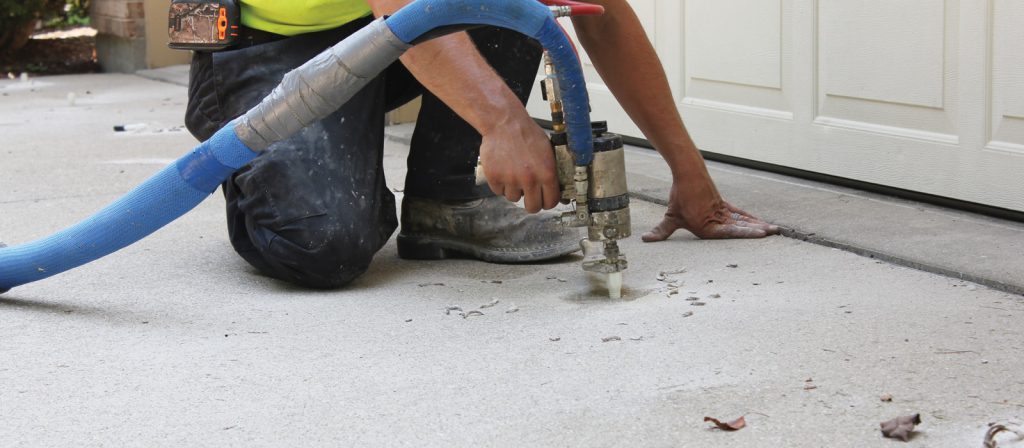
Injection is typically performed at low pressure through ports drilled along the crack path. This approach minimises further structural damage and allows for precise control. - Sequential Filling
The technician injects foam sequentially along the crack to ensure full distribution. Expansion continues even after injection, filling voids completely. - Fast Curing Times
Polyurethane cures rapidly—sometimes within minutes—allowing for quick repairs and less disruption to the building or facility.
What are the Key Advantages?
- Non-Invasive Process
There is no need for external digging or surface removal. The work is performed entirely from within, preserving landscaping and structure. - Flexible and Long-Lasting
Unlike brittle materials, cured polyurethane stays elastic. It tolerates future movement and temperature variation without failing. - Resistant to Chemical Degradation
Polyurethane is resistant to many chemicals commonly found in soil or industrial environments, making it suitable for a range of locations.
Are There Any Precautions?
- Surface Preparation Matters
Although the product works in wet conditions, surfaces should be cleaned of debris to ensure effective bonding. Oil or grease may reduce performance. - Not for Structural Repairs
This method seals leaks but doesn’t restore the strength of the concrete. Structural cracks require reinforcement through alternative methods. - Requires Professional Application
Injections must be carefully administered by experienced technicians to avoid overfilling or underfilling the crack.
For waterproofing active or wet concrete cracks, polyurethane crack injection offers a fast, effective, and minimally disruptive solution. Its expanding properties, water-reactive sealing ability, and compatibility with irregular cracks make it the ideal choice for protecting against leaks in below-ground or high-moisture environments.