Why Are Stainless Steel Rainwater Goods A Reliable Long-Term Choice?
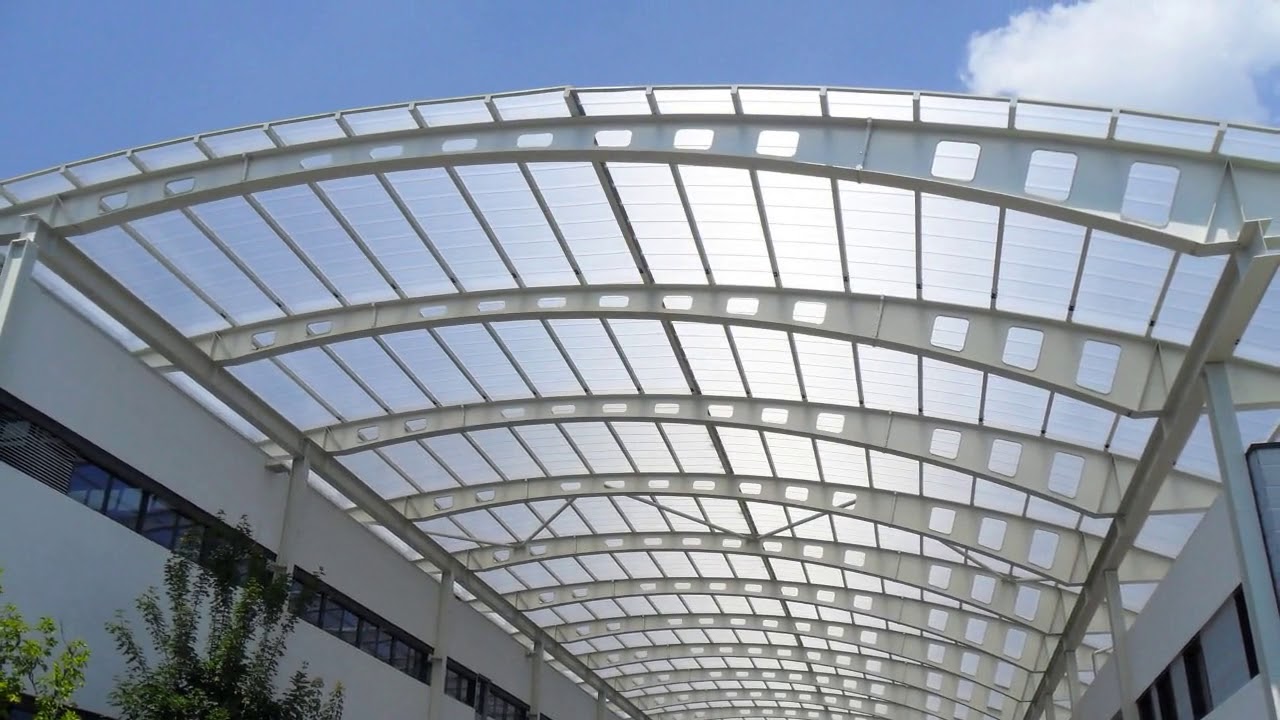
With Sydney’s mix of strong sunlight, coastal air, and unpredictable rainfall, roofing materials must strike a balance between weather resistance and practical performance. polycarbonate roofing supplies has emerged as a preferred option for both residential and commercial projects due to its strength, light weight, and light-transmitting properties.
Its versatility and adaptability make polycarbonate suitable for carports, patios, greenhouses, and covered walkways. Whether used for its clarity, impact resistance, or UV protection, polycarbonate offers a reliable roofing solution for a wide variety of structures across Greater Sydney.
What Are the Key Features of Polycarbonate Roofing?
- High Impact Resistance
Polycarbonate is up to 200 times stronger than glass, making it ideal for hail-prone or wind-exposed areas. It is less likely to crack or shatter compared to other transparent materials. - UV Protection
Most polycarbonate roofing sheets include a UV coating that blocks harmful rays while still allowing visible light through, protecting occupants and reducing heat. - Light Transmission
It allows natural daylight to pass through, creating bright, well-lit spaces without artificial lighting. This makes it useful for outdoor structures and indoor applications requiring ambient light. - Lightweight Structure
Being significantly lighter than glass or metal, polycarbonate roofing is easier to handle, transport, and install, reducing labour time and structural load.
Where Is Polycarbonate Roofing Commonly Installed?
- Residential Pergolas and Patios
Homeowners choose polycarbonate to create shaded outdoor areas that still feel open and bright. The material protects from rain while softening sunlight. - Carports and Driveway Covers
Cars benefit from protection against UV and debris. Polycarbonate roofs preserve visibility and airflow while shielding from the elements. - Greenhouses and Nurseries
The clarity and light diffusion of polycarbonate promote plant growth. Its ability to maintain internal warmth also supports year-round cultivation. - Public Shelters and Walkways
Schools, parks, and commercial centres use polycarbonate for covered footpaths or waiting areas due to its impact resistance and clear visibility.
What Are the Different Types of Polycarbonate Sheets?
- Twin-Wall Polycarbonate
Features a layered internal structure that offers better insulation. It is ideal for greenhouses or semi-enclosed structures requiring thermal efficiency. - Solid Polycarbonate Sheets
These resemble glass but are stronger and safer. They are used where visibility and impact resistance are required, such as skylights and security glazing. - Corrugated Polycarbonate Sheets
Lightweight and structurally rigid, these are commonly used for roofing applications over sheds, patios, or warehouses. - Textured or Diffused Sheets
Designed to scatter light and reduce glare, these are ideal for areas needing privacy or softer light conditions.
What Should Be Considered Before Installation?
- Sheet Thickness and Span
Thicker sheets support wider spans and offer better insulation. However, the choice depends on structure type and expected weather load. - Pitch and Drainage Design
Polycarbonate requires sufficient slope to allow rainwater to run off. Flat installations can result in pooling and reduce lifespan. - Thermal Expansion Allowance
Polycarbonate expands and contracts with temperature changes. Installation must include gaps and flexible fixings to accommodate this. - UV Coating Orientation
Sheets must be installed with the UV-protected side facing outwards. Incorrect orientation reduces effectiveness and longevity.
How to Maintain Polycarbonate Roofing?
- Regular Cleaning
Use mild soap and a soft sponge or cloth. Avoid abrasive materials or harsh chemicals that can damage the protective layer. - Inspect for Cracks or Warping
While rare, physical damage from falling debris or improper installation can lead to stress marks. These should be addressed quickly to prevent water ingress. - Gutter and Drain Clearance
Ensure that water runoff systems are not blocked. Backflow or stagnant water can affect sheet edges and cause moss or algae build-up. - Sealant Checks
Over time, joints and edges may require resealing, especially in high-movement zones or areas with significant sun exposure.
Choosing polycarbonate roofing in Sydney is a practical decision for those seeking durability, UV protection, and light transmission in one roofing solution. From homes to commercial settings, its flexibility and low maintenance needs make it suitable for a wide range of projects across the region. With correct installation and routine care, polycarbonate provides long-term performance while enhancing both comfort and aesthetics.