Why Are Remedial Waterproofing Specialists Essential For Protecting Building Integrity?
Water might seem harmless, but for buildings, it’s one of the most destructive forces. From concrete cancer to structural decay, moisture infiltration can silently erode a property’s value and safety. That’s why remedial waterproofing specialists have become a critical part of modern construction and maintenance across Australia. Their expertise ensures that both residential and commercial structures stand resilient against the country’s challenging climate and unpredictable rainfall.
What Causes Water Damage in Buildings?
Water damage often begins with subtle signs—peeling paint, musty smells, or damp patches on walls. These small indicators can quickly escalate into major structural issues. The causes range from poor initial waterproofing and faulty membranes to ageing materials and neglected maintenance. Sydney’s mix of coastal air, humidity, and rainfall makes buildings particularly vulnerable to seepage, especially in basements, balconies, and rooftops.
Understanding the source of the problem is key. Remedial waterproofing isn’t about temporary fixes—it’s about finding the root cause and applying long-term protection strategies.
How Do Remedial Waterproofing Specialists Approach a Project?
Every building is unique, so a one-size-fits-all approach doesn’t work. Specialists start with a detailed inspection using moisture meters, thermal imaging, and leak detection tools to identify the problem areas. Once the source is pinpointed, they design a tailored plan—whether it’s membrane replacement, crack injection, drainage improvement, or sealing of joints and expansion gaps.
Their goal isn’t just to stop leaks but to prevent future ones. This might mean re-engineering balcony falls, resealing wet areas, or even improving ventilation systems to minimise humidity buildup. The process blends science, experience, and craftsmanship.
Why Is Remedial Waterproofing So Important for Property Longevity?
Water doesn’t just damage the surface—it compromises a building’s structural core. Over time, moisture seeps into concrete, rusts steel reinforcements, and weakens load-bearing elements. The result can be concrete spalling, crumbling facades, or even unsafe living conditions.
Engaging professionals early on prevents small issues from turning into major expenses later. Effective waterproofing extends the lifespan of buildings, improves indoor air quality, and enhances property value—all while ensuring compliance with Australian building standards.
What Technologies and Materials Are Commonly Used?
Modern waterproofing has evolved far beyond traditional coatings. Today, specialists use advanced materials like polyurethane membranes, epoxy coatings, bentonite clay liners, and cementitious products designed for high-pressure resistance. Crack injection techniques with polyurethane resins can seal internal leaks without removing wall finishes.
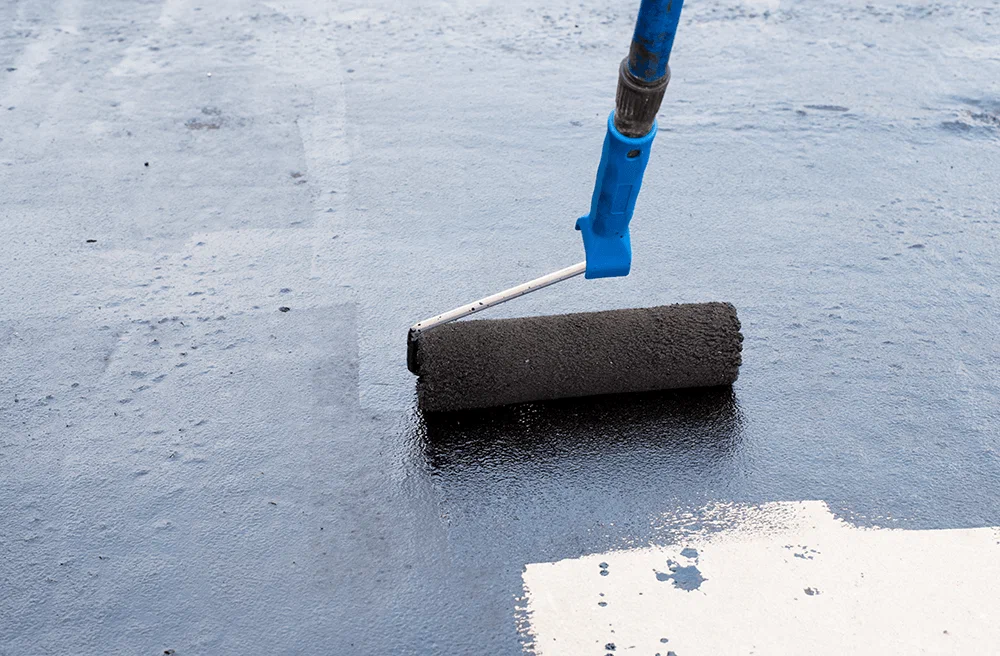
Additionally, membrane technologies have improved significantly—liquid-applied systems provide seamless coverage, while torch-on membranes offer durability for flat roofs and podiums. The choice depends on the site condition, structure type, and environmental exposure.
Where Is Remedial Waterproofing Most Needed?
Certain building areas face a higher risk of water ingress. Basements, lift pits, planter boxes, retaining walls, and podium slabs often trap moisture. Bathrooms, kitchens, and balconies are everyday problem zones due to plumbing leaks and exposure to the elements.
High-rise buildings also require regular maintenance checks, as joint sealant failure or concrete cracking can allow water to travel through multiple floors unnoticed. Regular inspection by professionals ensures potential issues are caught before they escalate.
How Do Remedial Waterproofing Specialists Ensure Long-Term Results?
The key lies in precision and preventive strategy. After rectifying leaks, specialists often recommend maintenance plans that include scheduled inspections, reapplication of sealants, and proper drainage upkeep. Transparent reporting and photographic documentation ensure building owners understand the process and its outcomes.
They also work closely with engineers, strata managers, and builders to integrate waterproofing solutions into broader repair or renovation works. This collaborative approach delivers a watertight system that performs well over time, not just immediately after installation.
Final Thoughts
Waterproofing might not be the most visible aspect of a building, but it’s one of the most crucial for its health and longevity. Without proper protection, even the strongest concrete structures can deteriorate rapidly. Relying on remedial waterproofing specialists ensures every leak, crack, and weak point is professionally managed—protecting the structure’s strength, appearance, and value. In a country like Australia, where weather extremes are part of daily life, professional waterproofing isn’t just maintenance—it’s smart preservation.