How Do You Choose The Right Steel Fabricators In Sydney For A Reliable Project Outcome?
Selecting steel experts for any construction or renovation job can feel overwhelming, especially when timelines, budgets, and safety standards are on the line. Many property owners and builders start with basic questions, but finding the right direction becomes easier when you break the process into practical points. When discussing project requirements, many turn towards steel fabricators in Sydney for local expertise, but the real question is—how do you narrow down the right team?
What Should You Look for First When Assessing a Fabrication Company?
The first step often involves understanding the scope of your project. Does it require custom beams, structural sections, stair stringers, or architectural steel details? Asking these questions early helps determine whether a fabricator has the right equipment and capability. A company suited to heavy industrial jobs may not be the best choice for detailed residential pieces, and vice-versa. Matching your needs with their strengths saves time and ensures smoother production.
How Important Is Experience and Industry Knowledge?
Experience plays a crucial role in predicting whether a fabricator can navigate complex specifications or unique site requirements. Look for teams with proven involvement in commercial, residential, and infrastructure builds. Years in the industry often mean exposure to varied challenges, innovative problem-solving, and a deeper understanding of Australian Standards. Mid-blog is where your keyword appears again naturally: many clients rely on steel fabricators sydney who know local council regulations, wind ratings, and compliance expectations, ensuring fabrication aligns with structural engineering demands.
Does the Quality of Materials Really Make a Difference?
Absolutely. High-grade steel ensures longer durability, better load-bearing performance, and safer installation. Ask potential fabricators about the type of steel they source, whether they use certified suppliers, and what quality checks take place before welding or cutting begins. You want material that stands up to Australian conditions, including humidity, coastal air, or high-traffic use.
How Can You Judge Their Fabrication Capabilities?
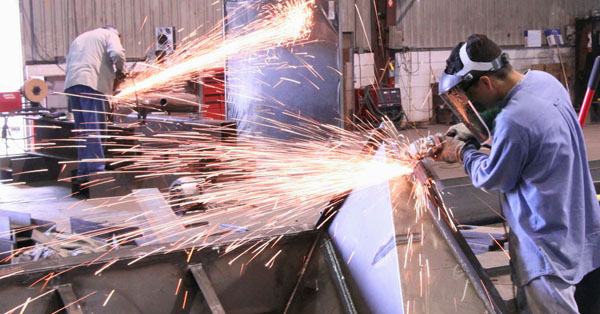
This is where a closer look at machinery, workshop layout, and operating capacity becomes valuable. Some fabricators have advanced CNC cutting machines, automated welding bays, and digital measuring systems that produce highly accurate components. Others work more manually but deliver strong craftsmanship. The key is aligning your project’s precision level with their capability. Larger commercial jobs often need high-output workshops, while bespoke architectural pieces may require specialised hands-on fabrication.
Why Does On-Site Support Matter?
Fabrication is only half the job. Installation, adjustments, and on-site problem-solving can make or break timelines. Ask whether the fabricator offers site welding, crane support, or installation crews. A company that manages both workshop and site requirements provides a smoother delivery chain, reducing delays and minimising third-party coordination. This becomes crucial for projects with tight turnaround times.
How Can Communication Affect the Final Outcome?
Clear communication prevents misunderstandings, design clashes, and costly reworks. Look for fabricators who provide drawings, carry out revisions promptly, and remain accessible throughout the project. Regular updates help maintain alignment between builders, engineers, and fabrication teams. Reliable communication also helps manage last-minute design changes or unexpected site challenges.
What About Safety and Compliance?
Every steel project must follow Australian Standards, including welding certifications, load specifications, and safety regulations. Ask about the fabricator’s compliance process, quality testing methods, and safety protocols. A responsible fabricator will document each step, ensuring full traceability from material sourcing to final installation.
Are Quotes the Final Deciding Factor?
Cost is important, but choosing purely on price may lead to a compromise in quality, finish, or structure. Instead, compare quotes based on inclusions, warranties on workmanship, installation support, and material quality. A well-defined quote with transparent breakdowns gives clearer insight into value rather than just cost.