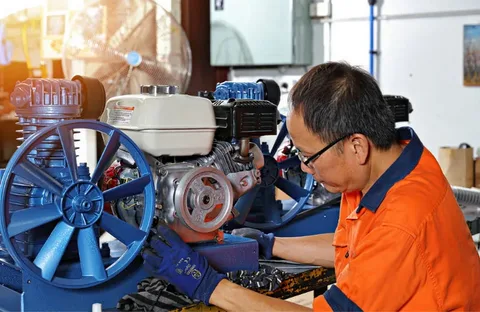
A Practical Guide To Maintaining Efficient Compressed Air Systems In Sydney
For any business relying on pneumatic tools, automation lines, or heavy-duty machinery, organising regular air compressor services is crucial for optimal performance. Sydney’s varied climate and wide range of industrial settings make scheduled care essential for keeping systems running efficiently, safely, and without unexpected interruptions.
Why Routine Maintenance Is Critical
Compressed air equipment works under high pressure and generates substantial heat. Without proper upkeep, systems can suffer from:
• Excessive energy use – often caused by leaks or clogged filters
• Moisture contamination – leading to rust, blocked valves, and reduced output quality
• Component wear – shortening the lifespan of internal parts
• Unplanned breakdowns – disrupting production or delaying projects
Routine inspections identify small problems early, preventing larger issues that could otherwise cause costly downtime.
Climate Conditions and Their Impact on Performance
Sydney’s weather directly influences how compressed air systems operate. Different suburbs face different challenges:
Coastal areas experience higher humidity, increasing moisture levels in compressed air.
Western Sydney regularly faces extreme summer heat, adding pressure to motors and cooling systems.
Industrial districts often have dust and airborne particles that clog filters faster than expected.
Understanding these conditions helps determine a suitable servicing schedule.
What a Thorough Service Should Include
Quality maintenance involves more than a quick filter change. A comprehensive routine typically covers:
• Inspection of belts, pulleys, and drive components
• Cleaning of cooling systems and ventilation paths
• Testing of safety mechanisms, pressure relief valves, and sensor controls
• Review of filtration and drying systems to ensure air purity
• Lubrication checks for oil-based units
• Assessment of power consumption and performance efficiency
This systematic approach ensures equipment remains reliable and safe to operate.
Common Signs That Your System Needs Attention
Recognising early warning signals can save significant repair costs. Keep an eye out for:
• Reduced air pressure, even when demand is normal
• Abnormal noises such as knocking or hissing
• Excessive heat from the compressor housing
• Unusual smells indicating overheating or electrical issues
• Visible oil leaks or moisture buildup in the lines
Addressing these symptoms early prevents damage to both the compressor and connected machinery.
Reducing Energy Consumption Through Optimised Care
Compressed air is one of the more expensive utilities in many industrial operations. Proper servicing can substantially reduce energy waste. Effective strategies include:
• Sealing leaks that cause pressure drops
• Adjusting system pressure to match operational needs
• Cleaning heat exchangers for improved cooling efficiency
• Ensuring dryers and filters are not overloading the system
Each improvement contributes to smoother performance and lower electricity bills.
The Role of Filtration and Drying Systems
Clean, dry air is essential for avoiding corrosion, maintaining product quality, and protecting sensitive tools. Supporting equipment should be included in every maintenance plan:
• Particulate filters remove dust and debris
• Coalescing filters capture oil vapour and fine aerosols
• Dryers reduce moisture, protecting lines and downstream equipment
By maintaining these systems alongside the compressor itself, businesses protect every stage of their air network.
Planning a Consistent Maintenance Schedule
Consistency is key. Consider the following when organising your servicing plan:
• Operating hours – longer daily use requires more frequent checks
• Environmental conditions – dusty or humid areas need extra attention
• Age of equipment – older systems often require closer monitoring
• Industry requirements – some sectors need high-purity air and stricter maintenance
Tailoring your schedule ensures your system receives the right level of care.
Final Thoughts
Efficient compressed air systems depend on structured, high-quality maintenance that accounts for environmental factors, usage patterns, and equipment design. For Sydney businesses, prioritising routine servicing not only protects machinery but also improves workflow reliability and energy efficiency. With a thoughtful approach to inspecting, cleaning, and fine-tuning each component, organisations can maintain dependable operations and extend equipment lifespan—highlighting the importance of consistent air compressor services.