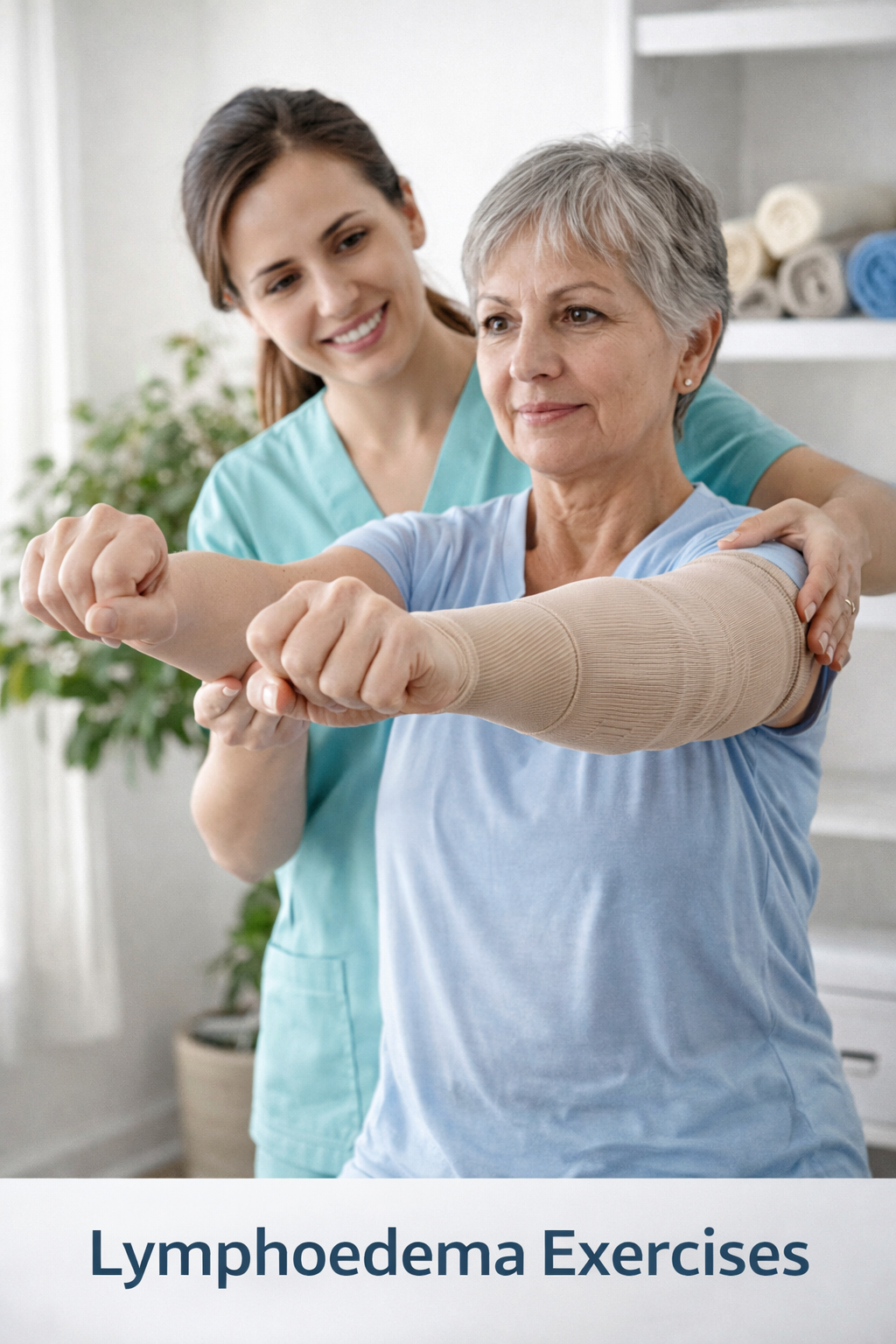
How Lymphoedema Exercises Can Enhance Quality Of Life In Australia
Living with lymphoedema can be a challenging experience, but incorporating the right exercises into daily routines can significantly improve one’s quality of life. In Australia, where active lifestyles are cherished, finding ways to manage this condition effectively is essential. Here’s a look into how lymphoedema exercises can make a real difference.
Understanding Lymphoedema
Lymphoedema is a condition characterised by swelling, usually in the arms or legs, caused by a blockage in the lymphatic system. This can lead to discomfort, restricted movement, and a constant feeling of heaviness. While it might seem daunting, consistent exercise can help manage these symptoms by promoting lymph fluid circulation and reducing swelling.
Why Exercise Matters
Exercise plays a pivotal role in managing lymphoedema. It not only helps reduce swelling but also enhances overall mobility and strength. Engaging in regular physical activity can empower individuals to regain control over their bodies and lives. Plus, it can be a fun and fulfilling way to stay fit, especially in a country like Australia, where outdoor activities are a part of everyday life.
Types of Effective Lymphoedema Exercises
Deep Breathing Exercises
Deep breathing is more than just calming. It stimulates the lymphatic system, encouraging fluid movement. Practising deep breathing exercises for a few minutes each day can be surprisingly effective.
Gentle Stretching
Stretching keeps the muscles flexible and promotes better lymphatic flow. Simple stretches, focusing on the affected limbs, can loosen tight muscles and improve movement.
Water-Based Activities
Swimming or water aerobics are excellent for lymphoedema management. The natural resistance of water helps increase muscle strength without putting undue strain on the body. Plus, being in the water is a refreshing way to exercise, especially in Australia’s warmer climate.
Light Aerobic Exercises
Activities like walking or cycling can boost cardiovascular health and support lymphatic function. These exercises can easily be incorporated into a daily routine, making them a convenient option for many.
Resistance Training
Light resistance exercises can be beneficial. Using resistance bands or light weights can help build strength and encourage lymphatic drainage. It’s important, though, to start slowly and gradually increase the intensity.
Creating a Routine
Developing a regular exercise routine tailored to lymphoedema management is crucial. Consulting with healthcare professionals, such as physiotherapists who specialise in lymphoedema, can provide personalised guidance. They can help design a programme that suits individual needs and ensures exercises are performed correctly.
Local Resources and Support
In Australia, there are numerous resources available for those living with lymphoedema. From local support groups to specialised exercise classes, finding community support can make a significant difference. These communities often provide not just guidance but also encouragement and camaraderie.
FAQs About Lymphoedema Exercises in Australia
Are there any risks associated with lymphoedema exercises?
Yes, if performed incorrectly, exercises can exacerbate symptoms. It’s advisable to seek guidance from a healthcare professional before starting any new exercise routine.
Can I do these exercises at home?
Absolutely. Many lymphoedema exercises are simple and can be done at home with minimal equipment.
How often should I exercise?
Consistency is key. Aim for at least 20-30 minutes of lymphoedema-focused exercise most days of the week, as recommended by your healthcare provider.
Managing lymphoedema through exercise is a journey that requires patience and persistence. Yet, with the right approach, it’s possible to lead an active and fulfilling life despite the challenges. Embracing these exercises not only helps in managing symptoms but also contributes to overall well-being, allowing individuals to enjoy the vibrant lifestyle that Australia offers.