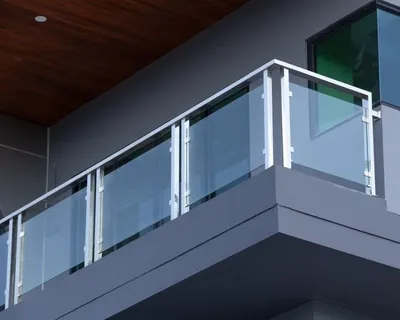
Modern Outdoor Design Benefits of a Glass Balcony Handrail
Balconies have become an important feature in modern homes, apartments, and commercial buildings, providing additional outdoor space and enhancing the overall appearance of a property. Safety remains a key consideration in balcony design, making handrails an essential component. Among the many options available today, a Glass Balcony Handrail has gained popularity for its ability to combine safety with contemporary aesthetics. Property owners often explore glass handrail systems to achieve unobstructed views, improved natural light, and a sophisticated architectural finish while maintaining compliance with safety requirements.
What Is a Glass Balcony Handrail?
A glass balcony handrail is a protective barrier system that incorporates glass panels and supporting hardware to create a secure boundary around a balcony area.
Many people researching a Glass Balcony Handrail are interested in solutions that provide both safety and visual appeal. Unlike traditional railing systems that may obstruct views, glass panels create a more open and spacious appearance.
These systems are commonly used in residential properties, apartment complexes, hotels, and commercial developments.
Why Glass Handrails Are Popular
Modern architectural trends often focus on clean lines and open spaces.
Benefits associated with a Glass Balcony Handrail may include:
- Clear and uninterrupted views
- Contemporary appearance
- Increased natural light
- Versatile design options
- Compatibility with various architectural styles
These advantages have contributed to the growing popularity of glass railing systems.
The Role of Balcony Handrails
Balcony handrails serve several important functions beyond aesthetics.
Safety Protection
The primary purpose of a Glass Balcony Handrail is to provide a secure barrier that helps prevent falls from elevated areas.
Space Definition
Handrails help define balcony boundaries while maintaining an open visual connection with surrounding spaces.
Architectural Enhancement
Glass systems can contribute to the overall design and presentation of a building.
These functions make balcony handrails a valuable component of outdoor living areas.
Types of Glass Used in Balcony Handrails
Different types of glass may be used depending on project requirements and safety considerations.
Toughened Glass
Many Glass Balcony Handrail systems utilise toughened glass due to its strength and durability.
Laminated Glass
Laminated glass incorporates multiple layers designed to enhance safety and structural performance.
Frosted Glass
Frosted panels provide additional privacy while maintaining a modern appearance.
The choice of glass often depends on aesthetic preferences and project specifications.
Design Flexibility and Style Options
Glass handrails are available in various designs to suit different architectural themes.
Popular styles include:
- Frameless systems
- Semi-frameless designs
- Framed glass railings
- Contemporary minimalist configurations
Many Glass Balcony Handrail installations are selected because they can complement both traditional and modern buildings.
Unobstructed Views and Natural Light
One of the key reasons property owners choose glass handrails is their ability to maximise visibility.
Benefits may include:
- Better outdoor views
- Improved connection to surrounding landscapes
- Enhanced natural light flow
- Greater sense of openness
A Glass Balcony Handrail can help create a brighter and more spacious environment.
Durability and Weather Resistance
Outdoor building materials must withstand exposure to varying environmental conditions.
Modern glass handrail systems are designed to resist:
- Moisture exposure
- Wind loads
- UV radiation
- Temperature fluctuations
These characteristics support the long-term performance of a Glass Balcony Handrail in outdoor environments.
Safety and Compliance Considerations
Safety is a major consideration when selecting balcony railing systems.
Important factors may include:
- Glass thickness requirements
- Structural support systems
- Height regulations
- Load-bearing performance
Many Glass Balcony Handrail projects are designed to comply with applicable building standards and safety requirements.
Maintenance Requirements
Glass handrails are generally considered relatively easy to maintain.
Typical maintenance activities may include:
- Routine cleaning of glass panels
- Inspection of fittings and hardware
- Checking seals and supports
- Monitoring for signs of wear
Regular maintenance helps preserve the appearance and functionality of the system.
Combining Glass With Other Materials
Many modern handrail designs combine glass with complementary materials.
Popular combinations include:
- Glass and aluminium
- Glass and stainless steel
- Glass and timber
These combinations allow a Glass Balcony Handrail to achieve different visual effects while maintaining functionality.
Applications in Residential Properties
Glass handrails are widely used in homes to enhance outdoor spaces.
Common applications include:
- Balconies
- Decks
- Rooftop terraces
- Pool surrounds
Their ability to maintain visibility makes them particularly attractive in properties with scenic views.
Commercial Building Applications
Commercial developments frequently incorporate glass handrail systems as part of contemporary architectural designs.
A Glass Balcony Handrail may be used in:
- Hotels
- Restaurants
- Office buildings
- Retail developments
These applications benefit from the combination of safety and visual appeal.
Sustainability Considerations
Sustainability continues to influence modern building materials and design choices.
Many glass systems support sustainability objectives through:
- Long service life
- Recyclable materials
- Reduced replacement requirements
- Improved natural light utilisation
These factors contribute to environmentally conscious construction practices.
Current Trends in Balcony Design
Architectural trends continue to shape the development of balcony handrail systems.
Popular trends influencing Glass Balcony Handrail designs include:
- Frameless glass installations
- Minimalist architectural styles
- Mixed-material systems
- Open-concept outdoor spaces
These trends reflect a growing preference for clean and modern aesthetics.
Future Innovations in Glass Handrails
Advancements in materials and engineering continue to improve balcony railing systems.
Emerging developments may include:
- Stronger glass technologies
- Improved fixing systems
- Enhanced safety features
- Greater customisation options
These innovations are expected to influence future Glass Balcony Handrail designs and applications.
Long-Term Benefits of Glass Balcony Handrails
Well-designed handrail systems can provide lasting value for property owners.
Potential advantages include:
- Improved safety
- Enhanced property appearance
- Better visibility and openness
- Long-term durability
- Increased design flexibility
These benefits contribute to the continued popularity of glass handrails in modern construction.
Conclusion
Glass balcony handrails offer a combination of safety, functionality, and contemporary design that appeals to both residential and commercial property owners. Individuals researching a Glass Balcony Handrail often consider factors such as visibility, durability, maintenance requirements, safety compliance, and architectural style. By understanding the features and benefits of glass railing systems, property owners can make informed decisions that enhance outdoor spaces while maintaining secure and visually appealing environments for years to come.