
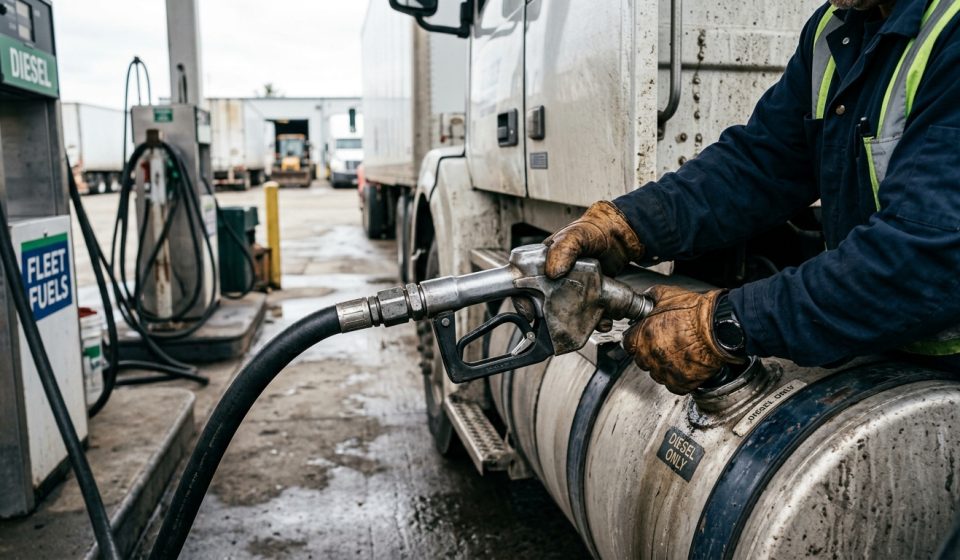
How Can Fleet Refuelling Improve Business Vehicle Operations?
Managing multiple commercial vehicles requires careful planning, especially when it comes to fuel management. Businesses that operate transport fleets need reliable systems to keep vehicles moving, reduce downtime, and control operating costs. Fleet Refuelling provides a structured approach that helps companies improve efficiency by ensuring vehicles have access to fuel when and where it is needed.
For businesses with delivery vans, trucks, machinery, or service vehicles, effective fuel management can make a significant difference. A well-organised fuel strategy helps improve productivity while reducing unnecessary delays caused by manual refuelling processes.
Why Is Efficient Fuel Management Important for Businesses?
Fuel is one of the largest ongoing expenses for many businesses that rely on vehicles. Poor fuel management can lead to wasted time, inaccurate records, increased costs, and operational challenges.
An efficient fuel system allows businesses to monitor fuel usage, identify unnecessary expenses, and maintain better control over daily operations. It also helps managers understand vehicle performance and make informed decisions about maintenance, routes, and resource allocation.
By improving visibility over fuel consumption, businesses can create more accurate budgets and reduce unexpected expenses.
How Can Businesses Reduce Vehicle Downtime?
Vehicle downtime can directly affect customer service, delivery schedules, and overall productivity. When drivers need to make additional stops for fuel or deal with inefficient processes, valuable working hours can be lost.
A planned fuel management approach ensures vehicles spend more time completing important tasks rather than waiting for fuel-related requirements. This is especially useful for industries where vehicles operate on strict schedules, including logistics, construction, transport, and field services.
Reducing downtime allows businesses to improve workflow and provide more reliable services to customers.
What Are the Benefits of Tracking Fuel Usage?
Fuel tracking provides businesses with valuable information about how vehicles are being used. Without accurate data, it can be difficult to identify areas where money is being wasted.
Tracking fuel consumption can help businesses:
- Monitor fuel expenses more effectively
- Identify unusual fuel usage patterns
- Improve driver accountability
- Plan better vehicle maintenance schedules
- Make informed decisions about fleet performance
Accurate records also support better reporting and help businesses measure operational improvements over time.
How Does Technology Improve Fuel Management?
Modern technology has changed the way businesses manage vehicle operations. Digital systems and automated solutions make it easier to collect data, review fuel usage, and improve decision-making.
Businesses can use technology to access real-time information, maintain accurate records, and identify trends that may affect efficiency. These insights allow managers to take proactive steps instead of reacting to problems after they occur.
Technology-driven fuel solutions also support better transparency, helping businesses maintain greater control over their resources.
What Should Businesses Consider When Choosing a Fuel Solution?
Every business has different operational needs, so selecting the right fuel solution requires careful consideration. Companies should evaluate factors such as fleet size, vehicle type, operating locations, and daily fuel requirements.
Important features to consider include:
- Easy fuel monitoring and reporting
- Reliable access and availability
- Cost management options
- Integration with existing business systems
- Simple processes for drivers and managers
A suitable solution should improve convenience while supporting long-term operational goals.
How Can Better Fuel Planning Support Business Growth?
Effective fuel planning does more than reduce costs. It creates a stronger foundation for business growth by improving efficiency and resource management.
When businesses understand their fuel patterns, they can optimise routes, improve scheduling, and reduce unnecessary expenses. These improvements allow companies to focus their resources on expanding operations and delivering better customer experiences.
As businesses continue to look for smarter ways to manage expenses, organised fuel strategies are becoming an important part of successful vehicle operations.
Conclusion
Managing fuel efficiently is essential for businesses that depend on vehicles every day. Fleet Refuelling helps organisations create a more reliable and structured approach to fuel management, improving productivity, reducing delays, and supporting better cost control. By adopting effective fuel practices and using modern technology, businesses can improve operations and prepare for future growth.


