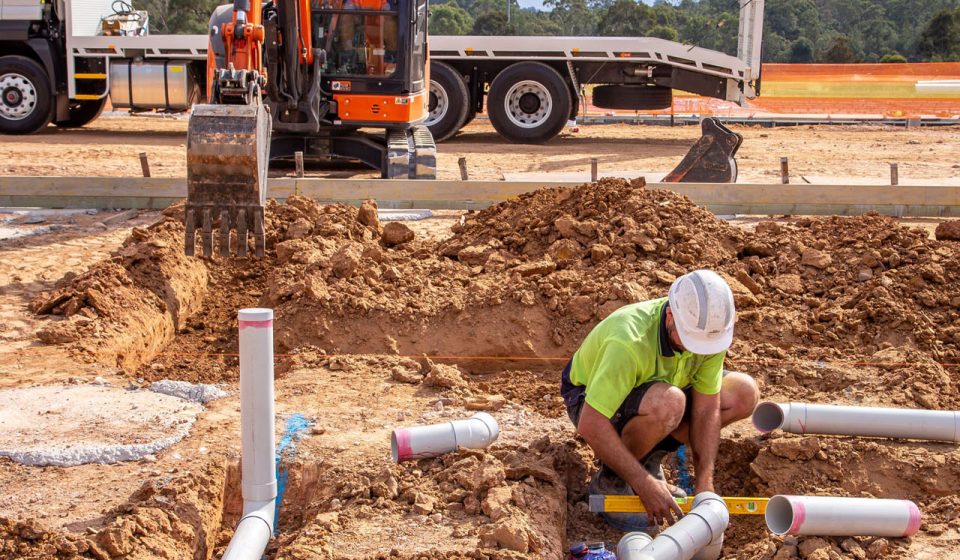
The Unsung Heroes of Sydney: How Drainage Contractors Around Sydney Shape the City
Sydney is admired for its stunning harbour, beautiful beaches, historic neighbourhoods and lively urban lifestyle. However, beneath the city’s appealing streets and landscapes lies an essential network of infrastructure that keeps everyday life running smoothly. Effective drainage is one of the most important parts of this system, protecting homes, commercial properties and public spaces from unwanted water accumulation. Professional drainage contractors around Sydney play a significant role in maintaining this infrastructure by providing practical solutions suited to local weather conditions, soil types and property requirements. From managing heavy rainfall to preventing waterlogging, reliable drainage systems help keep Sydney functional throughout the year.
1. Managing Sydney’s Diverse Landscapes
Sydney features a variety of landscapes, including coastal areas, elevated residential suburbs, commercial districts and low-lying regions. Each location presents different drainage requirements. Sandy soil around coastal suburbs allows water to pass through relatively quickly, while clay-heavy ground in several western and southern areas can retain moisture for extended periods.
These differences make proper drainage planning essential. Experienced contractors assess ground conditions, water flow and property layouts before recommending suitable solutions. Depending on the location, installations may include stormwater pipes, surface drains, agricultural drainage systems and underground channels. A properly designed drainage network helps reduce standing water, soil erosion and potential damage to surrounding structures.
2. Supporting Urban Development and Heritage Conservation
Sydney continues to experience residential and commercial development, creating an ongoing demand for reliable infrastructure. However, construction and renovation projects in established neighbourhoods require careful planning, particularly around heritage-listed buildings and older properties.
Areas such as The Rocks and Paddington feature historic architecture, narrow streets and established underground services. Drainage improvements in these locations require thoughtful installation methods to avoid disturbing existing structures.
Professional drainage contractors consider building layouts, existing pipe networks and ground conditions before starting work. Modern drainage solutions can be introduced without unnecessarily affecting the appearance or character of older properties. This approach supports urban development while helping preserve Sydney’s architectural heritage.
3. Introducing Sustainable Drainage Solutions
Environmental sustainability has become an important consideration in modern construction and property maintenance. Traditional drainage systems remain useful, but sustainable alternatives can provide additional benefits by managing rainwater closer to its source.
Some commonly used options include:
- Rain Gardens: Specially designed garden areas collect and filter stormwater, reducing surface runoff while supporting local plant life.
- Permeable Pavements: These surfaces allow rainwater to pass through and enter the ground, helping reduce pressure on conventional drainage networks.
- Rainwater Harvesting: Collection tanks store rainwater for suitable household and commercial uses.
- Soakage Pits: These underground structures help manage excess water by allowing gradual absorption into suitable soil.
Such solutions can improve stormwater management, reduce unnecessary runoff and contribute to more environmentally responsible property development.
4. Understanding Local Drainage Regulations
Drainage installations must meet relevant council requirements, building standards and environmental regulations. Incorrect installations can lead to water flow problems, property damage, disputes and expensive rectification work.
Before beginning a drainage project, it is important to understand local approval requirements and the location of existing underground services. Stormwater connections, excavation activities and changes to existing drainage arrangements may require specific approvals.
Qualified contractors can help identify relevant requirements, assess site conditions and plan installations in accordance with applicable standards. Proper preparation also helps minimise project delays and supports safer construction practices.
5. Protecting Residential and Commercial Properties
Poor drainage can create several problems for property owners. Water collecting around foundations, driveways, gardens and outdoor areas may gradually affect structural stability and create damp conditions.
Common drainage-related concerns include:
- Water pooling around building foundations.
- Damp walls and moisture entering internal spaces.
- Soil erosion around landscaped areas.
- Blocked stormwater pipes and overflowing drains.
- Flooding in garages, basements and outdoor spaces.
- Damage to pathways, retaining walls and driveways.
For commercial properties, drainage problems can interrupt daily operations, affect customer access and create safety concerns. A properly planned system helps direct excess water away from important areas while reducing the likelihood of recurring problems.
Regular inspections and timely maintenance are equally important for keeping drainage infrastructure in good working condition.
6. Combining Practicality with Property Appearance
Drainage systems should provide effective water management without affecting the overall appearance of a property. Poorly positioned drains, exposed pipes and unsuitable installations can interfere with landscaping and outdoor designs.
Careful planning allows drainage components to blend with existing surroundings. Concealed pipework, discreet channel drains and thoughtfully positioned grates can maintain functionality without compromising the visual appeal of gardens, driveways or entertainment areas.
A well-designed drainage arrangement can also support better outdoor usability, particularly in properties with sloping gardens, paved courtyards and landscaped spaces.
Frequently Asked Questions
1. When should a drainage contractor be contacted?
Professional assistance is recommended when water repeatedly collects around a property, drains become blocked, unpleasant odours develop or signs of water damage appear. Early attention can help prevent more extensive problems.
2. What drainage solutions are suitable for residential properties?
Suitable options depend on soil conditions, property design and water flow. Common choices include surface drains, stormwater pipes, trench drains, soakage pits and underground drainage systems.
3. Why is regular drainage maintenance important?
Routine maintenance helps identify blockages, damaged pipes and developing drainage issues. Cleaning and inspecting drainage components can improve water flow and reduce the risk of unexpected flooding.
Conclusion
Effective drainage is essential for maintaining safe, functional and comfortable residential and commercial environments. From managing heavy rainfall to protecting building foundations and supporting sustainable development, properly designed systems offer long-term benefits across different property types. Local knowledge, suitable materials and careful installation all contribute to dependable results. Choosing experienced drainage contractors around Sydney can help address location-specific challenges while ensuring drainage systems remain practical, efficient and suitable for changing property requirements. With proper planning and regular maintenance, Sydney properties can remain better protected against excess water throughout every season.