How to Choose the Right Facelift Doctor for Natural-Looking Results
Choosing to undergo a facelift is a personal decision that involves more than improving visible signs of ageing. The surgeon’s experience, understanding of facial anatomy, surgical approach, and ability to create balanced results all play an important role. While searching for a facelift doctor near me, it is important to understand what makes a qualified facial plastic surgeon and how to evaluate whether their approach aligns with your expectations.
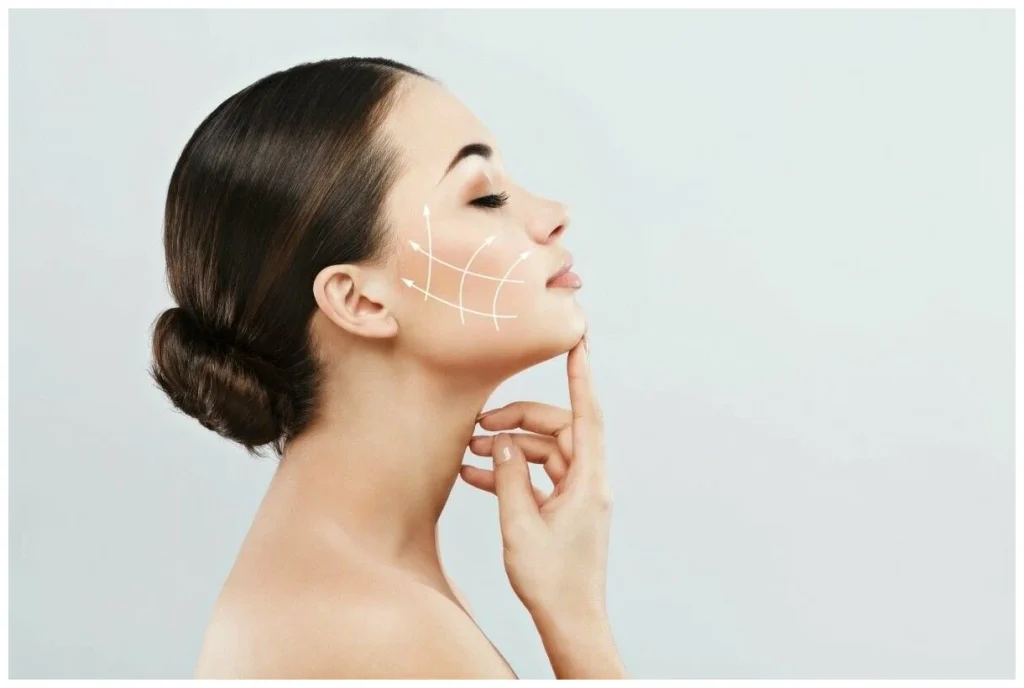
A facelift is designed to address age-related changes such as sagging skin, deep folds, loose jawline contours, and reduced definition around the lower face and neck. However, successful treatment depends on selecting the right procedure for your individual facial structure rather than simply choosing the most popular surgical technique.
What Does a Facelift Procedure Address?
A facelift, medically known as rhytidectomy, is a cosmetic surgical procedure that improves visible signs of ageing in the lower and middle portions of the face. Over time, the skin loses elasticity, underlying tissues shift, and facial fat distribution changes. These natural processes can contribute to sagging and less defined facial contours.
Depending on the technique used, a facelift may help improve:
- Jowls: Reduces the appearance of loose tissue along the jawline.
- Deep facial folds: Softens prominent lines between the nose and mouth.
- Loose skin: Removes or repositions excess skin for a smoother appearance.
- Jawline definition: Restores a more defined transition between the face and neck.
- Neck laxity: Addresses certain signs of ageing around the lower face and upper neck when included in the surgical plan.
A facelift does not necessarily address every sign of facial ageing. For example, forehead lines, eyelid concerns, and changes in skin texture may require different treatments.
Qualities to Look for in a Qualified Facial Plastic Surgeon
The surgeon you select can significantly influence your surgical experience and final results. Instead of making a decision based only on online ratings or advertisements, consider the following factors.
1. Relevant Surgical Qualifications
Look for a board-certified plastic surgeon or facial plastic surgeon with recognised surgical qualifications and appropriate training. Certification requirements differ by country, so verify the surgeon’s credentials through the relevant professional medical board.
Specialised experience in facial procedures is particularly important because facial structures are delicate and require an understanding of nerves, muscles, skin, and underlying tissues.
2. Experience with Different Facelift Techniques
Not every patient requires the same surgical approach. An experienced surgeon should understand different techniques and explain which option may be appropriate for your facial ageing concerns.
Common facelift approaches include:
- Traditional facelift: Addresses moderate to significant skin laxity and deeper facial tissue changes.
- SMAS facelift: Works with the superficial musculoaponeurotic system, a layer of connective tissue and muscle associated with facial support.
- Deep plane facelift: Releases and repositions deeper facial tissues to improve certain areas of sagging.
- Mini facelift: A less extensive procedure that may suit individuals with early signs of ageing and limited skin laxity.
Each technique has different indications, surgical considerations, and recovery requirements. The most advanced procedure is not automatically the best choice for every individual.
3. Before-and-After Results
Reviewing previous surgical results can help you understand the surgeon’s aesthetic approach. Look for photographs of patients with similar facial ageing patterns and skin characteristics.
Pay attention to:
- Whether facial proportions appear balanced.
- Whether the jawline looks naturally defined.
- Whether the results preserve individual facial characteristics.
- Whether the overall appearance looks refreshed rather than excessively tight.
Ask whether the photographs represent the surgeon’s own patients and whether the images show comparable lighting, angles, and stages of recovery.
Questions to Ask During Your Consultation
A consultation is an opportunity to understand the procedure, discuss expectations, and determine whether you feel comfortable with the surgeon.
Before making a decision, consider asking:
- Am I a suitable candidate for a facelift?
- Which surgical technique would you recommend and why?
- What improvements can realistically be achieved?
- What are the possible complications and risks?
- Where will the incisions be placed?
- How long should I expect recovery to take?
- What type of anaesthesia will be used?
- What follow-up care will be provided after surgery?
A responsible surgeon should explain both the potential benefits and limitations of the procedure. They should also discuss alternative treatments if surgery is not necessary or appropriate.
Understanding the Facelift Procedure and Recovery
Knowing what happens before, during, and after surgery can help reduce uncertainty and support better preparation.
Before Surgery
The surgeon will evaluate your facial anatomy, skin elasticity, medical history, and aesthetic concerns. You may also be advised to undergo certain medical assessments before surgery.
Preoperative instructions can include:
- Avoiding smoking and nicotine products.
- Reviewing current medications and supplements.
- Following instructions regarding blood-thinning medications.
- Arranging transportation and assistance during initial recovery.
- Following the surgeon’s instructions about eating and drinking before surgery.
Never stop prescribed medication without consulting your treating doctor.
During Surgery
A facelift is generally performed under general anaesthesia or, in selected cases, intravenous sedation with appropriate local anaesthesia. The exact approach depends on the procedure and individual circumstances.
Incisions are commonly placed around the ears and sometimes along the hairline. The surgeon repositions underlying tissues, removes or redistributes excess skin as appropriate, and closes the incisions carefully.
The duration of surgery varies depending on the technique and whether additional procedures are performed.
After Surgery
Recovery is gradual, and patients should not expect immediate final results. Swelling, bruising, tightness, and temporary discomfort are common during the initial healing period.
Most patients need time away from regular activities. Recovery timelines vary, but visible swelling may take several weeks to improve, while subtle healing changes can continue for several months.
Following postoperative instructions is essential. Attend scheduled appointments, keep incision areas clean as directed, avoid strenuous activities until cleared, and contact your surgeon if you experience unusual pain, increasing redness, fever, or other concerning symptoms.
What Factors Influence the Cost of a Facelift?
The cost of facelift surgery varies depending on several factors. Understanding these expenses helps patients make informed financial decisions rather than choosing a surgeon based entirely on price.
Important cost considerations include:
- Surgeon’s experience: Qualifications, specialised training, and surgical expertise.
- Surgical technique: The complexity and extent of the selected procedure.
- Anaesthesia: The type of anaesthesia and associated professional fees.
- Surgical facility: Hospital or accredited surgical centre charges.
- Additional procedures: Combining a facelift with neck lift, eyelid surgery, or other treatments may affect the overall cost.
- Postoperative care: Follow-up consultations, medications, and recovery-related expenses.
Request a detailed cost breakdown during your consultation. A significantly lower price should not outweigh concerns about surgical qualifications, facility standards, or appropriate aftercare.
Who Is an Ideal Candidate for a Facelift?
A facelift may be suitable for adults experiencing moderate to significant facial skin laxity who want to improve their facial contours. Good general health, realistic expectations, and an understanding of the recovery process are important considerations.
However, a facelift is not suitable for everyone. Certain medical conditions, smoking habits, healing concerns, and medication use may increase surgical risks.
A qualified surgeon will assess your overall health and facial characteristics before recommending surgery. In some cases, non-surgical treatments or less extensive procedures may provide more appropriate options.
Conclusion
Selecting a surgeon for facial rejuvenation requires careful research, a thorough consultation, and realistic expectations. Qualifications, experience with different surgical techniques, previous results, safety standards, and postoperative support should all influence your decision. When searching for a facelift doctor near me, prioritise a qualified facial plastic surgeon who understands your aesthetic goals and recommends an approach based on your individual facial anatomy. The right decision should focus on patient safety, natural-looking improvements, and long-term satisfaction rather than simply choosing the quickest or least expensive option.