How Can The Right Shower Floor Drain Improve Bathroom Functionality And Design?
A well-designed bathroom requires a balance between appearance, comfort, and practical functionality. While homeowners often focus on choosing stylish tiles, modern tapware, shower screens, and bathroom accessories, drainage is another important feature that should never be overlooked. An effective drainage system helps remove excess water, reduces water pooling, and keeps the shower area clean and comfortable.
Choosing the right shower floor drain can make a noticeable difference to the overall performance of a bathroom. It directs water towards the plumbing outlet while complementing the surrounding flooring and bathroom layout. Modern drainage options are available in different shapes, sizes, materials, and designs, making it easier to find a suitable solution for traditional and contemporary bathrooms.
Whether planning a new bathroom, renovating an existing shower, or upgrading outdated fixtures, understanding drainage options can help homeowners make informed decisions.
What Is a Shower Floor Drain?
A shower drain is a plumbing fixture installed at floor level to collect wastewater and direct it into the connected drainage system. It generally consists of a visible grate or cover, a drain body, and a waste outlet connected to the plumbing.
Its primary purpose is to prevent water from accumulating across the shower floor. The surrounding floor is installed with a suitable gradient so that water naturally flows towards the drainage point.
Modern drainage products are available in several designs, including square drains, round drains, linear channels, and tile insert options. Each design offers different aesthetic and practical features depending on the bathroom layout.
What Are the Different Types of Shower Drains?
Understanding the available options makes it easier to choose a suitable drainage solution.
Square Shower Drains
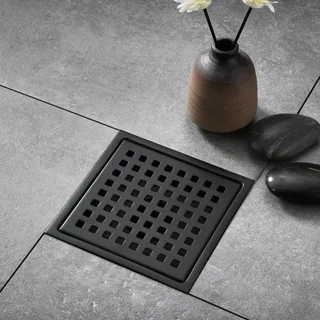
Square drains are a common choice for residential bathrooms. They are compact, practical, and available in different sizes and finishes.
Their straightforward design makes them suitable for bathrooms with traditional floor layouts. They can also complement modern interiors when selected with matching fixtures.
Round Shower Drains
Round drains provide a simple and traditional drainage option. Their circular design allows them to fit into different shower floor layouts and works well in smaller installation areas.
They are commonly available in stainless steel and other suitable drainage materials.
Linear Shower Drains
Linear drains feature a long, narrow channel that collects water along a larger section of the shower floor.
They are particularly popular in contemporary bathrooms and walk-in showers. Their design can also make it easier to create a consistent floor gradient towards one side of the shower area.
Tile Insert Drains
Tile insert drains feature a recessed cover that accommodates a matching piece of floor tile. This allows the drainage area to blend with the surrounding flooring.
They are suitable for homeowners who prefer a minimalist bathroom design with fewer visible metal surfaces.
What Are the Benefits of Installing a Quality Shower Drain?
A properly selected drainage system offers several advantages beyond simply removing water.
Prevents Water Accumulation
Standing water can make shower floors uncomfortable and increase the risk of slipping. An appropriately sized drain helps remove wastewater efficiently when combined with correct floor gradients and suitable plumbing.
This supports a cleaner and more functional shower environment.
Supports Bathroom Hygiene
Water, soap residue, hair, and dirt can collect around poorly maintained drainage areas. A well-designed drainage system with convenient cleaning access makes regular maintenance easier.
Removing accumulated debris also helps reduce unpleasant odours and potential blockages.
Improves Bathroom Appearance
Modern drainage systems are available in different finishes and designs to complement bathroom interiors.
From polished stainless steel to discreet tile insert covers, homeowners can select products that coordinate with their flooring, tapware, and shower fittings.
Offers Long-Term Durability
Drainage fixtures are regularly exposed to water, cleaning products, and moisture. Choosing suitable materials helps maintain performance over time.
Stainless steel is a popular option because of its strength and corrosion resistance. Grade 304 is commonly used in general bathroom applications, while Grade 316 offers additional resistance to chlorides and more demanding environments.
Complements Different Bathroom Layouts
Different drainage designs can suit compact bathrooms, large walk-in showers, and luxury residential interiors.
Selecting the right configuration allows homeowners to balance practical drainage requirements with their preferred bathroom appearance.
How Do You Choose the Right Shower Floor Drain?
Selecting a suitable product requires more than considering its appearance. Several important factors should be evaluated before purchasing.
Consider the Drainage Size
Check the available installation space, drain dimensions, outlet position, and plumbing configuration.
The selected drain should fit properly within the shower floor and provide sufficient capacity for the expected water flow.
Select the Right Material
Material quality plays an important role in durability and maintenance.
Stainless steel is widely used because it offers strength and resistance to corrosion. Plastic drainage components may also be suitable for certain applications, depending on their design and product specifications.
Always consider the installation environment before selecting a material.
Check the Water Flow Capacity
A drainage system must handle the amount of water supplied by the shower fittings.
Consider the outlet diameter, drainage channel design, and manufacturer’s stated flow rate. A drain with insufficient capacity may cause water to collect on the shower floor.
Match the Design With Your Bathroom
The drainage style should complement the overall bathroom layout.
Square and round designs are suitable for many conventional installations, while linear and tile insert options often complement contemporary shower interiors.
Consider Cleaning and Maintenance
Choose a product that provides convenient access to the drainage channel. Removable covers make it easier to remove hair, soap residue, and other debris.
Easy maintenance helps preserve drainage performance and supports bathroom hygiene.
How Is a Shower Drain Installed?
Correct installation is essential for preventing drainage problems and water damage.
The general installation process involves the following steps:
- Measure the shower floor and identify the appropriate drainage position.
- Prepare the plumbing connection and install the drain body.
- Create the required floor gradient towards the drainage outlet.
- Install a suitable waterproofing membrane according to the manufacturer’s specifications.
- Complete the floor tiling while maintaining the correct slope.
- Fit the drainage cover or grate securely.
- Test the system by running water and checking for proper drainage.
Waterproofing and plumbing connections must be completed correctly to prevent leaks. Professional installation is recommended, particularly when modifying an existing bathroom or changing the drainage layout.
How Do You Maintain a Shower Drain?
Regular maintenance helps prevent blockages and keeps the drainage system working effectively.
Follow these simple practices:
- Remove visible hair and debris regularly.
- Clean the drain cover using a suitable household cleaning product.
- Remove accumulated soap residue from the drainage channel.
- Avoid harsh chemicals that may damage the drain material or surrounding finishes.
- Check for slow drainage and unpleasant odours.
- Inspect removable components for damage or loose fittings.
- Arrange professional assistance if persistent blockages or leaks occur.
Cleaning frequency depends on shower usage, household size, and the amount of debris entering the drainage system.
Frequently Asked Questions
What type of shower drain is best for a modern bathroom?
Linear and tile insert drains are popular choices for modern bathrooms because they offer a clean and minimalist appearance. The best option depends on the floor layout, plumbing requirements, and personal design preferences.
How do I prevent water from pooling in my shower?
Ensure the shower floor has an appropriate gradient towards the drain, the drainage outlet is correctly sized, and the channel remains free from debris. Persistent pooling may indicate an installation or plumbing problem.
Are stainless steel shower drains durable?
Yes. Stainless steel offers good strength and corrosion resistance, making it suitable for many bathroom environments. The correct grade and regular maintenance help preserve its condition.
How often should a shower drain be cleaned?
It should be checked regularly and cleaned whenever hair, soap residue, or debris accumulates. Frequently used showers may require cleaning several times a week.
Can I replace an old shower drain without renovating the entire bathroom?
In some cases, yes. However, compatibility with the existing plumbing, floor construction, drain dimensions, and waterproofing system must be assessed before replacement.
Conclusion
A reliable drainage system is essential for maintaining a clean, safe, and functional bathroom. Choosing an appropriate shower floor drain helps manage wastewater, reduce water accumulation, and complement the overall bathroom design.
By considering the drainage type, material quality, dimensions, water flow capacity, and maintenance requirements, homeowners and renovators can select a solution that suits their needs. Proper installation and regular cleaning are equally important for maintaining long-term performance.