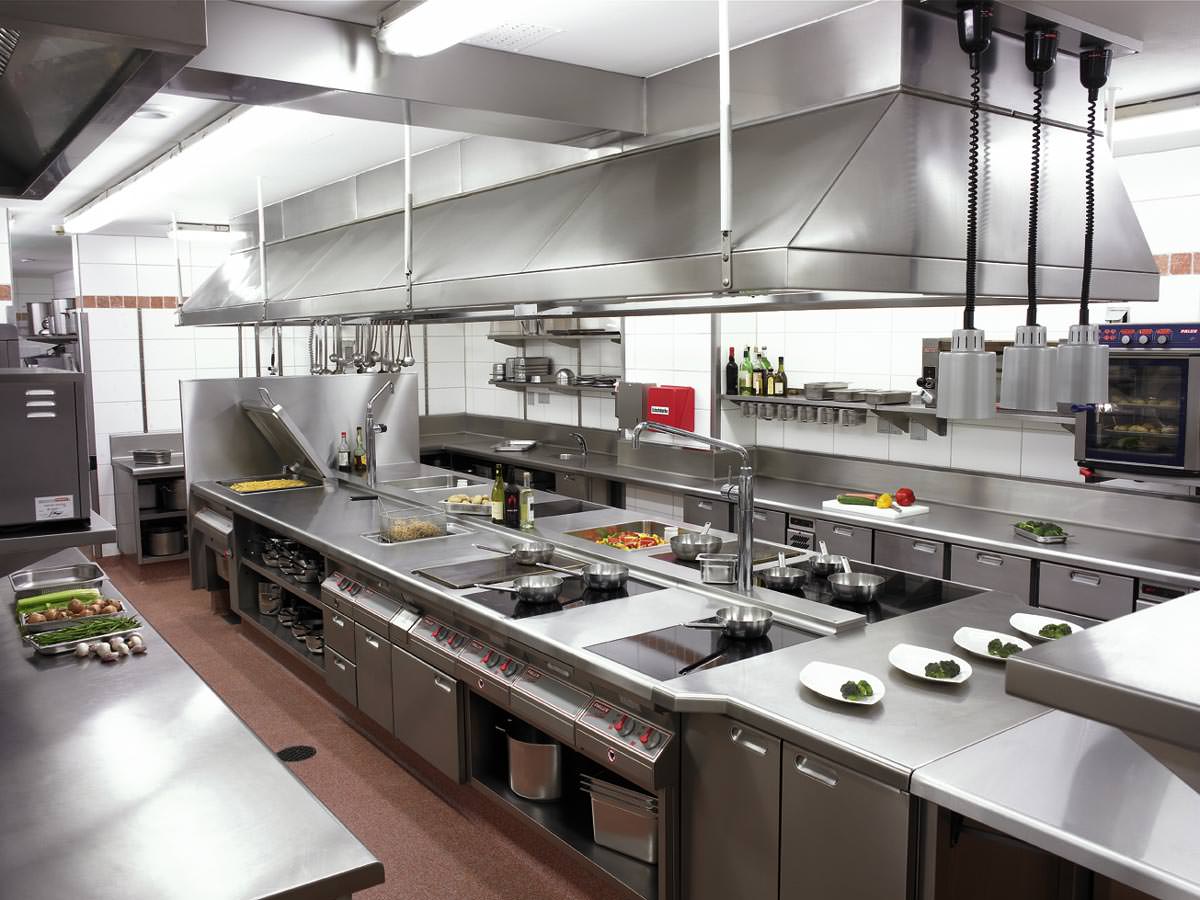
What They Are And How They Work: Four Common Commercial Cleaning Chemicals
Cleaning a commercial kitchen, or any similar space, is difficult because of the constant presence of debris and stains. Commercial cleaning, in contrast to residential cleaning, presents greater challenges due to the larger size and number of businesses. It’s useful to know which cleaning products are best for which surfaces, as there are many kinds of these products.
Various types of cleaning agents exist, each with its own set of uses, advantages, and goals. If you take the time to learn about each agent’s specifics, you can maximise their effectiveness. Understanding which cleaning agent is best suited for which task makes commercial cleaning a breeze.
Let’s examine the characteristics of these four commercial cleaning chemicals so that we can put them to better use.
1. Abrasives
The first category of commercial cleaners, abrasives, is ideal for removing stubborn grease. Grease stains are common in commercial kitchens, but with this cleaner, you can say goodbye forever.
It can easily delve deep into rough surfaces, making it ideal for cleaning dishes or floors. Nevertheless, abrasives are not appropriate for use on soft surfaces because of the scratch they can cause.
2. Acids
You should only use these cleaners after diluting them. Because of their potency, acids should never be applied directly to a surface. These cleaners are a good choice if rust has built up on a specific surface and needs to be removed.
Exposure to the elements quickly causes iron and metal components on manufacturing equipment and other machines to oxidise. Rust forms as a result of the chain of chemical reactions set off by this. Acids can be used to dissolve rust and mineral deposits.
3. Degreasers
The home is another excellent location for using these cleaning products. It’s not uncommon to find grease stuck to the grill, the counters, and the exhausts, and removing it can be a tedious chore.
However, degreasers are preferred in commercial kitchens because of their ability to quickly and effectively remove grease and oil stains. Because they are not harmful or poisonous, these agents can be used without worry.
4. Detergents
Detergents are widely used and can even be found in the average home. However, these agents are also widely used in commercial cleaning because of how efficiently they get rid of dust and dirt.
Together with water, these are used to remove the stain. It cleans well and leaves a pleasant scent behind as well. Detergents are typically available as liquids, gels, crystals, or powders.
5. Solvents
A solution consists of a solvent and a solid or liquid solute. Water is the most ubiquitous commercial chemical solvent in the modern world. Water is the most basic cleaning agent, and it will dissolve some types of dirt, but it is not very efficient unless it’s utilised in conjunction with another agent, such as detergent.
Hard water renders most detergents useless, so it’s important to make sure you’re washing in soft water. Hard water also fails to adequately wet the surface, which is necessary for effective cleaning to take place.
6. Antiseptics, antiperspirants, and disinfectants
Deodorizers, disinfectants, and antiseptics aren’t technically commercial cleaning agents, but they’re frequently used in the course of cleaning anyway. Deodorants chemically combine with the molecules producing an aggressive odour, while disinfectants kill germs and antiseptics to prevent the bacterial population from developing.
Conclusion
For commercial cleaning, these are the most widely used and effective cleaning products. Hard surfaces are no match for them when used in the right amounts.