A Step-By-Step Guide To Installing Hydronic Floor Heating In Sydney
Sydney’s diverse climate can make heating solutions a crucial aspect of home comfort. Among the various options available, hydronic floor heating stands out for its efficiency, comfort, and energy savings. This blog will take you through the step-by-step procedure of installing hydronic floor heating in Sydney, ensuring that you can enjoy a warm and cosy home environment during the cooler months.
Understanding Hydronic Floor Heating:
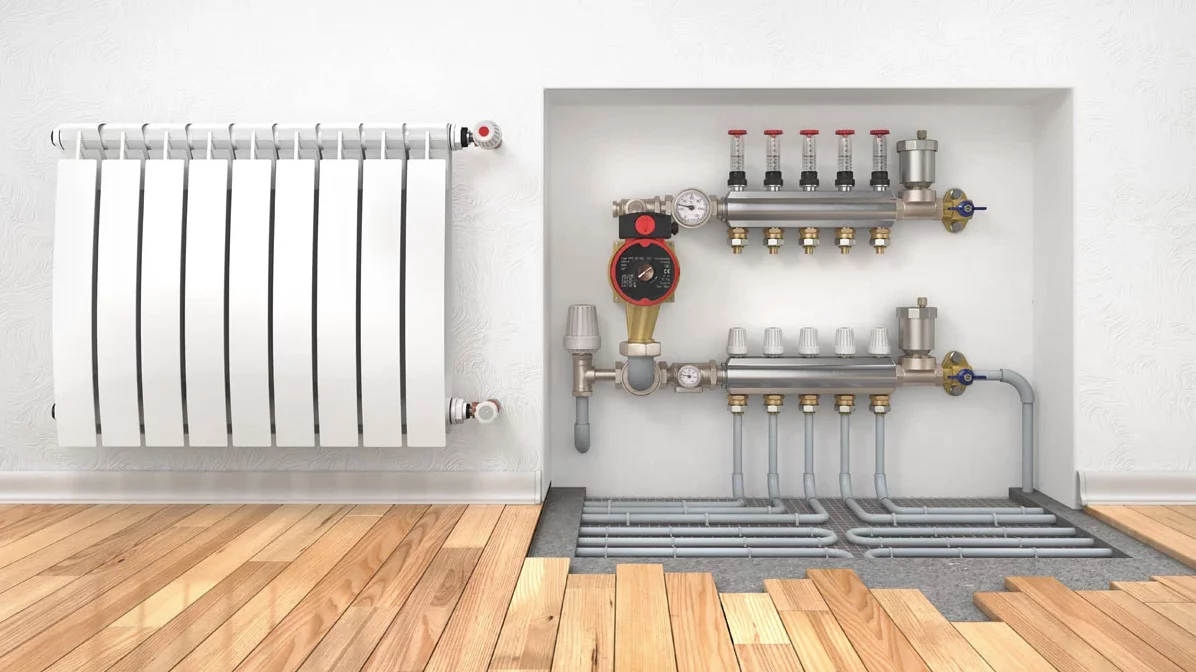
It is a radiant heating system that uses water to distribute warmth throughout your home. This system involves running warm water through pipes or tubes installed beneath the floor, providing an even and efficient heat source. Unlike traditional forced-air heating systems, hydronic floor heating eliminates the need for bulky radiators or ductwork, offering a discreet and comfortable heating solution.
Step 1: Planning and Design
The first step in installing hydronic floor heating is careful planning and design. This involves assessing your home’s layout, insulation, and the type of flooring you have. Working with a professional installer is crucial at this stage to ensure that the system is tailored to your specific needs and that the chosen flooring materials are suitable for radiant heating.
Step 2: Choosing the Right Flooring
The type of flooring you have or plan to install is a critical consideration in hydronic floor heating. While it can work with various floor coverings, some materials are more conducive to efficient heat transfer. Popular choices include tile, stone, and concrete, as these materials conduct and retain heat effectively. However, it’s essential to consult with your installer to determine the best option for your home.
Step 3: Installing Insulation
Proper insulation is key to maximising the efficiency of your hydronic floor heating system. Insulation helps prevent heat loss to the ground and ensures that the warmth generated by the system is directed upwards, into your living space. Installers will carefully place insulation panels or materials beneath the tubing to create a thermal barrier, optimising the system’s performance.
Step 4: Tubing Installation
The tubing or pipes through which the warm water circulates are crucial components of this system. Installers will carefully lay out the tubing in a serpentine pattern, evenly distributing the heat across the floor. This process may vary depending on the type of tubing used—common options include PEX (cross-linked polyethylene) or PERT (polyethylene of raised temperature resistance).
Step 5: Connecting to the Heat Source
The tubing is connected to a heat source, typically a boiler or a water heater. The heat source warms the water, and a pump circulates it through the tubing on the floor. This closed-loop system ensures a consistent and efficient transfer of heat to the entire floor space. Installers will carefully connect and test the system to ensure it operates seamlessly.
Step 6: System Controls and Zoning
Hydronic floor heating systems often come with advanced controls, allowing homeowners to customise and optimise their heating preferences. Zoning is another essential feature, enabling different areas of your home to have individual temperature controls. This not only enhances comfort but also contributes to energy savings by only heating the areas that are in use.
Step 7: Final Testing and Commissioning
Before handing over your newly installed hydronic floor heating system, installers will conduct thorough testing and commissioning. This involves checking for leaks, ensuring proper water circulation, and verifying that the system operates at the desired temperatures. Any adjustments needed for optimal performance will be made during this phase.
Conclusion:
Installing this can transform your home into a warm and comfortable haven during the colder months. By following these steps and working with experienced professionals, you can enjoy the benefits of energy-efficient heating while adding a touch of luxury to your living spaces. Say goodbye to cold floors and hello to the warmth beneath your feet with hydronic floor heating in Sydney.