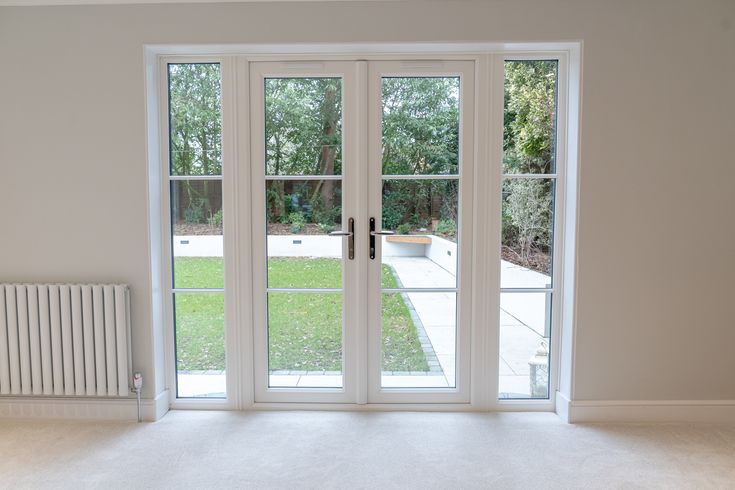
Classic Elegance Meets Modern Durability: Everything You Need to Know About Aluminium French Doors
Some design choices never go out of style. French doors have graced homes for centuries, bringing with them a sense of elegance, symmetry, and light that few other door styles can replicate. Today, the same timeless aesthetic is being delivered through a far more practical and durable material. Aluminium french doors combine the classic appeal of traditional french door design with the low-maintenance performance and longevity that modern Australian homeowners demand and the result is one of the most versatile and visually impressive door options available on the market right now.
What Sets French Doors Apart
French doors are defined by their twin-panel, centre-opening configuration and their generous use of glass. Unlike a single hinged door or a sliding system, french doors create a wide, symmetrical opening that feels genuinely grand when both panels are swung open. The large glass panels allow natural light to flow freely between spaces whether connecting a living room to an outdoor entertaining area, a bedroom to a private courtyard, or a dining room to a garden.
This combination of wide opening, natural light, and visual symmetry is what has kept french doors relevant across centuries of changing architectural fashion and what makes them a consistently popular choice for Australian homes today.
Why Aluminium Is the Right Material for French Doors
Timber french doors carry a romantic appeal, but they come with maintenance demands that many homeowners find difficult to sustain over time. Warping, swelling, and the need for regular repainting are realities of timber in the Australian climate. Aluminium eliminates all of these concerns while delivering a result that looks equally refined.
The reasons aluminium french doors outperform timber and uPVC alternatives include:
- Dimensional stability – aluminium does not expand, contract, or warp with changes in temperature and humidity, ensuring doors open and close smoothly year after year.
- Powder coat durability – available in a wide range of colours and finishes, powder coated aluminium resists fading, chipping, and corrosion far better than painted timber.
- Slim sightlines – aluminium’s inherent strength allows for narrower frame profiles that maximise the glass area and the amount of light entering the space.
- Coastal suitability – aluminium performs exceptionally well in salt air environments where timber and steel alternatives deteriorate rapidly.
- Security performance – modern aluminium french door systems incorporate robust multi-point locking hardware that provides strong resistance to forced entry.
Design Flexibility Across Every Home Style
One of the most underappreciated qualities of aluminium french doors is how well they adapt to different architectural styles. In a contemporary home with clean lines and a neutral palette, slimline black or dark bronze aluminium frames create a striking, modern interpretation of a classic form. In a heritage property or period renovation, wider frame profiles in heritage colours faithfully replicate the proportions of original timber doors without the associated maintenance burden.
Glazing choices also play a significant role in the final result. Clear glass maximises light and view, while frosted or textured glazing options introduce privacy without sacrificing the airy quality that makes french doors so appealing. Double glazed units improve thermal performance and reduce external noise — a meaningful consideration for homes in busier urban locations.
Key Considerations Before Installation
Choosing the right aluminium french door system involves more than selecting a colour and a size. Before installation, it is worth thinking carefully about:
- Opening direction inward-opening panels suit spaces where outdoor foot traffic or weather exposure makes outward-opening impractical, while outward-opening suits rooms where internal floor space is limited.
- Threshold design a low-profile or recessed threshold creates a seamless transition between indoor and outdoor surfaces and is especially important for accessibility
- Hardware selection handle style, hinge finish, and locking mechanism should complement both the door frame and the broader interior and exterior hardware palette of the home
- Glazing specification double glazing, laminated safety glass, and acoustic glazing options each address different performance priorities depending on the location and use of the door
- Building compliance in some states and for certain installation types, a building permit may be required; a reputable supplier will confirm this before work begins
Final Thoughts
There is a reason french doors have endured as a design choice across generations of architectural change. They bring light, openness, and a sense of occasion to any space they inhabit. Aluminium french doors deliver all of that timeless appeal with the added benefits of modern material performance — durable, low-maintenance, and beautifully finished for the long term. Choose the right configuration for your space, invest in quality hardware and glazing, and the result will enhance your home in ways that remain impressive for decades ahead.