Essential Guide To Commercial Fire Protection: Safeguarding Your Business In Melbourne
Ensuring the safety of your business and its employees should always be a top priority, and one of the most critical aspects of business safety is commercial fire protection. Fires can break out at any time, and the potential damage to your property, assets, and reputation can be devastating. In Melbourne, where the risk of bushfires and urban fires is a significant concern, understanding the best practices and solutions for fire protection is crucial for business owners. This guide explores the various commercial fire protection measures, why they are necessary, and how they can help safeguard your business from a fire emergency.
What Is Commercial Fire Protection?
Commercial fire protection refers to a range of safety measures, equipment, and strategies designed to prevent, detect, and suppress fires in business premises. This protection is not only crucial for safeguarding assets and property but also plays a vital role in ensuring the safety of employees, customers, and visitors. Effective fire protection can minimise damage, reduce business interruption, and ensure compliance with local regulations.
Here are the key components of commercial fire protection:
Fire Detection Systems: These include smoke alarms, heat detectors, and fire monitoring systems that can detect a fire in its early stages, giving businesses time to evacuate and contain the situation.
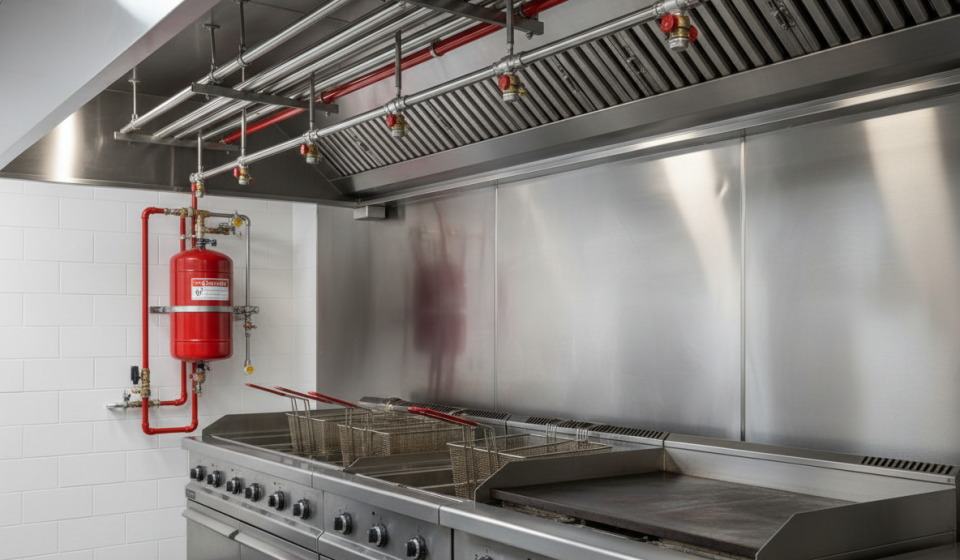
Fire Suppression Systems: These systems, including sprinklers and fire extinguishers, are designed to control or extinguish fires before they cause extensive damage.
Emergency Evacuation Plans: A well-documented fire safety plan ensures that all employees know what to do in case of a fire emergency, reducing panic and facilitating a smooth evacuation process.
Fire-Resistant Materials: Fire-resistant materials, including fire-rated doors, walls, and insulation, are used to slow the spread of fire, providing additional time for evacuation and reducing damage.
Why Is Commercial Fire Protection Crucial for Businesses in Melbourne?
The importance of commercial fire protection in Melbourne cannot be overstated. Fires can break out unexpectedly and spread quickly, causing significant damage. Here’s why investing in commercial fire protection is essential for Melbourne businesses:
Protection of Assets and Property: A fire can destroy inventory, equipment, and property, leading to substantial financial loss. Fire protection systems help contain fires before they escalate, reducing the risk of complete destruction.
Compliance with Local Fire Safety Regulations: Melbourne, like the rest of Victoria, has strict fire safety regulations for businesses. Ensuring that your fire protection systems meet these standards is crucial to avoid penalties and ensure legal compliance.
Minimising Business Downtime: A fire can shut down your business for days or weeks, impacting productivity and revenue. With effective fire protection, you can minimise downtime and get your business back on track faster after an incident.
Employee and Customer Safety: Ensuring the safety of your employees and customers is a legal and moral obligation. Fire protection systems, such as alarms, extinguishers, and emergency exits, help facilitate quick evacuations and protect lives.
Insurance and Liability Benefits: Businesses that have comprehensive fire protection systems in place often benefit from lower insurance premiums. Additionally, fire protection helps reduce the liability risk in case of an accident.
What Are the Key Components of a Comprehensive Commercial Fire Protection Plan?
A comprehensive commercial fire protection plan includes several key components to ensure that a business is fully prepared for a fire emergency. Here’s a breakdown of what should be included:
Fire Detection Systems:
- Smoke Alarms: Smoke alarms are essential for detecting the earliest signs of a fire. They should be installed in all rooms, hallways, and key areas.
- Heat Detectors: These devices are designed to activate when a certain temperature threshold is reached, providing an early warning before a fire spreads.
- Fire Monitoring Systems: These systems notify emergency services or designated personnel when a fire is detected, allowing for a faster response time.
Fire Suppression Systems:
- Sprinkler Systems: Sprinklers are a crucial part of fire suppression, activating automatically to extinguish flames in the event of a fire.
- Fire Extinguishers: Every commercial property should have appropriate fire extinguishers installed in accessible locations, ensuring that employees can quickly address small fires before they escalate.
Emergency Evacuation Systems:
- Emergency Lighting: Emergency lighting ensures that evacuation routes remain visible during a fire or power outage.
- Evacuation Plans: Well-marked exits and clear evacuation plans should be in place to guide employees and customers to safety during an emergency.
Fire-Resistant Materials and Structural Design:
- Fire-Rated Doors and Walls: Fire-rated doors and walls slow down the spread of fire, providing additional time for evacuation and firefighting efforts.
- Fire-Resistant Insulation and Coatings: These materials help protect the building’s structural integrity during a fire, reducing damage.
How Can Commercial Fire Protection Help Prevent Losses in the Event of a Fire?
While no fire protection system can guarantee that a fire will be entirely preventable, having the right systems in place can significantly reduce the severity of losses. Here’s how commercial fire protection can mitigate damage:
Early Detection Prevents Escalation: The quicker a fire is detected, the sooner it can be contained. Early detection systems, such as smoke alarms and heat detectors, trigger automatic sprinklers or alarms, giving employees and emergency services the time to respond and reduce the damage.
Limiting the Spread of Fire: Fire-rated walls, doors, and barriers prevent fire from spreading across a building, protecting critical areas and limiting the amount of property destroyed.
Containment of Fire to Small Areas: Fire suppression systems like sprinklers can quickly control or even extinguish a fire in its early stages, reducing damage to the property and its contents.
Avoiding Business Interruption: With an effective fire protection plan, businesses can reduce the time spent recovering from a fire, helping to ensure continuity of operations and faster recovery after an emergency.
What Are the Different Types of Fire Protection Systems for Commercial Properties?
There are various fire protection systems that can be installed in commercial properties to ensure maximum safety. Here are some of the most common systems used in Melbourne businesses:
Automatic Fire Sprinkler Systems: Sprinklers are one of the most effective fire suppression systems, automatically activating when a fire is detected. These systems can be installed in various areas, including warehouses, offices, and industrial spaces.
Fire Extinguishers: Portable fire extinguishers should be placed throughout the building and maintained regularly. Different types of extinguishers are needed for different fire classes, such as Class A (combustibles) and Class B (flammable liquids).
Fire Alarm and Detection Systems: These systems include smoke detectors, heat detectors, and fire alarms that alert people to evacuate and notify emergency responders of the fire’s location.
Fire Doors and Shutters: Fire doors are installed to contain the spread of fire and smoke, while fire shutters are often used in high-risk areas to prevent fire from entering the building.
Fire-Resistant Materials: These include fire-resistant cladding, insulation, and coatings that protect the structure of the building from heat damage and help prevent the spread of flames.
How to Ensure Your Business Is Compliant with Fire Safety Regulations in Melbourne?
In Melbourne, businesses must comply with various fire safety regulations set by the Victorian Building Authority (VBA) and other local authorities. Here’s how to ensure your business meets these requirements:
Regular Inspections and Maintenance: Fire protection systems must be inspected and maintained regularly to ensure they are working correctly. Schedule routine checks for smoke alarms, sprinklers, and fire extinguishers.
Employee Training: Ensure your employees are trained on how to use fire safety equipment, follow evacuation procedures, and respond to fire emergencies.
Obtain Fire Safety Certificates: Businesses in Melbourne must obtain a fire safety certificate, confirming that the property meets all fire safety regulations. This certificate must be renewed regularly.
Consult Fire Safety Experts: Work with fire safety consultants and experts who can assess your business and recommend the best fire protection measures to meet local regulations and keep your property safe.
Conclusion
Investing in commercial fire protection is one of the most important steps you can take to safeguard your Melbourne business. From fire detection and suppression systems to emergency evacuation plans and fire-resistant materials, a comprehensive fire protection strategy ensures that your business is prepared in the event of a fire. By adhering to local fire safety regulations and implementing robust fire protection measures, you can reduce the risk of significant damage, protect your assets, and ensure the safety of your employees and customers.