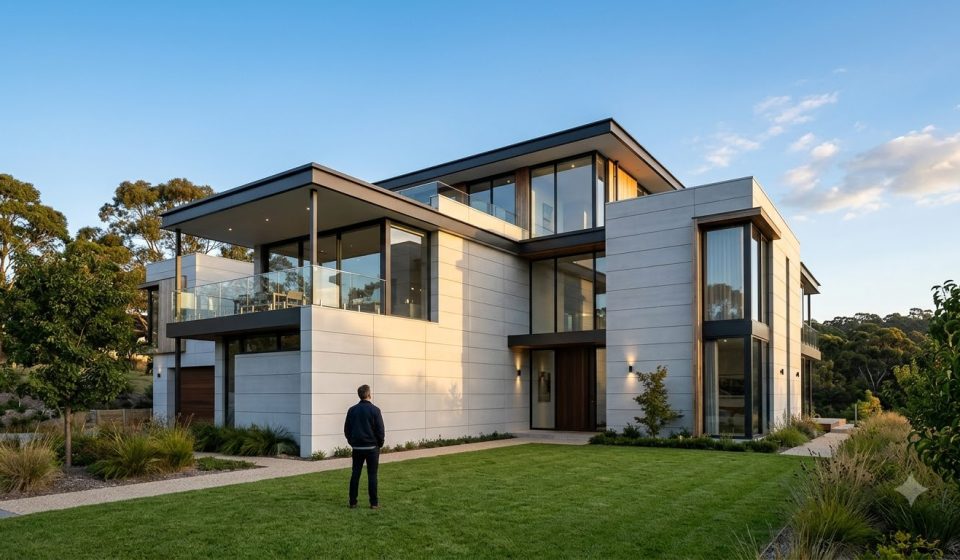
How Can Hebel Panel Cladding Support Modern Wall Design?
Choosing suitable materials for external walls can influence a building’s appearance, comfort, insulation, and long-term maintenance requirements. Modern construction projects often look for wall systems that combine practical performance with a clean architectural finish. Lightweight wall panels are increasingly considered for residential and commercial applications because they can offer design flexibility without the weight associated with some traditional masonry products.
Hebel panel cladding is a lightweight autoclaved aerated concrete (AAC) solution that can be incorporated into external wall systems. Its structure contains small air pockets, helping reduce weight while providing useful thermal and acoustic properties. When correctly designed and installed, it can form part of an efficient and visually appealing building envelope.
What Is Hebel Panel Cladding?
Hebel panel cladding refers to lightweight AAC panels used as part of an external wall construction system. The material is manufactured using cement, sand, lime, water, and an expansion process that creates its characteristic cellular structure.
The panels can provide a relatively solid wall surface while remaining lighter than conventional concrete products. Depending on the project, they may be finished with compatible coatings, textures, or other exterior treatments to create the desired architectural appearance.
Why Are Lightweight Wall Panels Useful?
Reducing wall weight can be beneficial in construction because lighter materials may place less load on the supporting structure. This can be particularly relevant when planning multi-level buildings, extensions, renovations, or projects where structural weight is an important consideration.
Lightweight panels can also be easier to move and position during construction. However, installation still requires careful handling and adherence to the relevant system requirements to achieve the intended performance.
How Can These Panels Support Thermal Performance?
A building envelope plays an important role in controlling heat transfer. The cellular structure of AAC provides thermal insulation characteristics that can contribute to a more comfortable indoor environment.
However, wall panels are only one part of overall building performance. Insulation levels, windows, doors, roof construction, ventilation, orientation, and installation quality can all affect energy efficiency. A complete wall system should therefore be considered rather than assessing the panel in isolation.
Can Wall Panels Help With Acoustic Comfort?
External walls can influence how much outdoor noise enters an interior space. The acoustic performance of a wall depends on its complete construction, including panel thickness, insulation, joints, internal linings, and openings.
For buildings near busy streets, commercial areas, or other sources of external noise, acoustic requirements should be considered during the design stage. A properly specified wall system can contribute to a quieter and more comfortable indoor environment.
What Design Possibilities Do They Offer?
Modern exterior walls do not need to have a plain or repetitive appearance. Lightweight AAC panels can accommodate different finishing approaches, allowing designers to create smooth, textured, or contemporary exterior surfaces.
Colour, texture, architectural detailing, window placement, and surrounding materials can all influence the final look. This makes the system suitable for projects where functionality and visual appeal need to work together.
How Should External Panels Be Maintained?
Regular inspections can help identify potential issues before they become more difficult to address. Property owners can check exterior surfaces for cracks, damaged coatings, moisture-related signs, or deterioration around openings and joints.
Maintenance requirements depend on the chosen finish and the surrounding environment. Areas exposed to heavy rainfall, strong sunlight, coastal conditions, or pollution may require more regular attention. Cleaning should always follow the recommendations for the specific exterior finish.
What Should Be Checked Before Installation?
Several factors should be assessed before an external panel system is installed. These include structural requirements, substrate conditions, fixing arrangements, insulation, moisture management, joint detailing, and compatible finishing materials.
Particular attention should be given to corners, window openings, doors, penetrations, and junctions between different materials. Correct detailing in these areas can help manage moisture movement and maintain the overall performance of the wall system.
Is Professional Installation Important?
Wall panel systems should be installed according to the applicable product instructions, project specifications, and Australian building requirements. Correct fixing, joint treatment, surface preparation, and finishing are important for achieving the expected result.
Using appropriately qualified tradespeople can also help ensure that installation details are considered carefully from the beginning. This is especially important for larger commercial projects or buildings with complex architectural designs.
Conclusion
Hebel panel cladding can provide a practical option for projects seeking a lightweight external wall solution with thermal, acoustic, and design considerations. Its performance depends on the complete wall system, appropriate detailing, compatible finishes, and correct installation. Careful planning can help create an exterior that combines functional requirements with a clean and modern appearance.