How Often Should You Get Skin Rejuvenation Treatments?
Everyone wants glowing, youthful, and healthy-looking skin. Skin rejuvenation treatments have become one of the most effective ways to restore your skin’s natural radiance, reduce signs of aging, and improve overall texture. But one of the most common questions people ask is — How often should I get skin rejuvenation treatments?
The answer depends on various factors such as the type of treatment, your skin condition, age, and lifestyle habits. Let’s understand how frequently you should schedule your sessions for the best results.
1. Chemical Peels
Chemical peels exfoliate dead skin cells and promote new skin growth, improving tone and texture.
- Light Peels: These can be done every 4–6 weeks to maintain smooth and bright skin.
- Medium Peels: Recommended every 3–6 months since they go deeper into the skin.
- Deep Peels: These are intense and typically required only once every few years.
2. Laser Skin Rejuvenation
Laser treatments help reduce pigmentation, fine lines, scars, and sun damage while boosting collagen production.
- Non-ablative lasers (like IPL or gentle resurfacing lasers): Every 4–6 weeks for 3–6 sessions, followed by maintenance every 3–6 months.
- Ablative lasers (CO₂ or Erbium): More powerful, usually done once a year with longer recovery time.
3. Microneedling / RF Microneedling
Microneedling stimulates collagen and helps with acne scars, enlarged pores, and dull skin.
- For optimal results, schedule treatments every 4–6 weeks for the first few sessions, then maintain results every 6–12 months.
4. Hydrafacial and Microdermabrasion
Gentle, non-invasive treatments like these keep your skin fresh, clean, and glowing.
- Can be done every 3–4 weeks to remove impurities and promote cell renewal.
5. Collagen-Stimulating and Anti-Aging Treatments
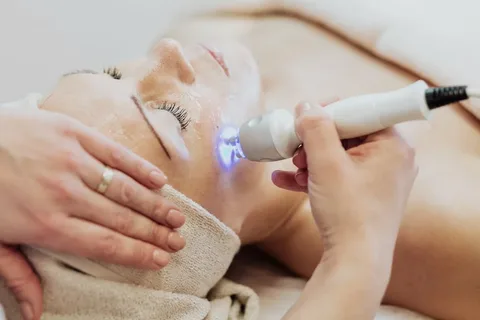
Treatments such as LED light therapy, PRP (Platelet-Rich Plasma), or collagen boosters focus on improving skin elasticity and reducing fine lines.
- These can typically be done every 4–6 weeks for a series of sessions, with follow-up treatments every 3–6 months to maintain youthful skin.
Factors That Affect Treatment Frequency
The ideal frequency for skin rejuvenation treatments can vary depending on several factors:
- Skin Type: Sensitive skin may require longer gaps between sessions, while oily or thicker skin can handle treatments more frequently.
- Age: Mature skin often benefits from more consistent treatments to maintain collagen production and elasticity.
- Skin Concerns: If you’re targeting pigmentation, acne scars, or fine lines, a more intensive schedule may be recommended initially.
- Lifestyle factors, including smoking, excessive sun exposure, poor diet, and stress, can all impact how quickly your skin recovers and maintains its results.
Why Consistency Matters
Skin rejuvenation is not a one-time fix — it’s a continuous process. Regular treatments help your skin adapt to a healthier cycle of renewal, improving its ability to retain moisture, elasticity, and brightness. Consistency ensures long-term improvements rather than temporary results.
Final Thoughts
To determine the ideal treatment frequency for your skin, it’s best to consult with a qualified dermatologist. They can assess your skin type, current concerns, and goals to create a personalised treatment plan.
Whether you’re addressing aging, pigmentation, or simply maintaining a healthy glow, a tailored skin rejuvenation routine can help you achieve radiant, youthful skin all year round.