The Art Of Precision: Water Jet Stone Cutting In Australia
Imagine crafting intricate designs in stone with unparalleled precision and minimal waste. If that sounds like an artisan’s dream, you might want to explore the marvel of water jet stone cutting. This method is making waves in Australia’s stone cutting industry, and for a good reason.
What is Water Jet Stone Cutting?
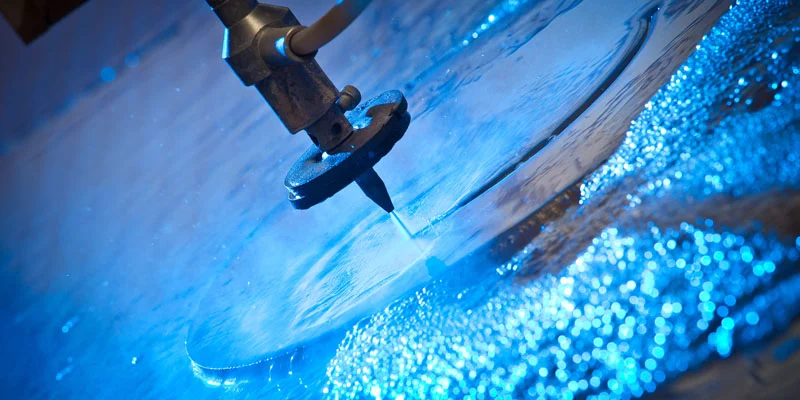
Water jet stone cutting is a process that uses a high-pressure stream of water, sometimes mixed with abrasive materials, to cut through stone with remarkable accuracy. It’s a bit like nature’s erosion process, but on fast forward. The technique is non-thermal, meaning it doesn’t generate heat, which can be a big deal when working with heat-sensitive materials.
Why Australia is Embracing Water Jet Technology
Australia, with its rich deposits of natural stone, is a thriving hub for construction and design projects that require top-notch craftsmanship. The demand for precision and sustainability has naturally led many artisans and builders to embrace water jet stone cutting. This technique not only adds finesse to any project but also aligns with eco-friendly practices by reducing waste and conserving resources.
Benefits of Water Jet Stone Cutting
1. Precision Like No Other
- Whether you’re crafting a kitchen benchtop or a detailed mosaic, water jet cutting offers unmatched precision.
- The technology allows for intricate designs that would be nearly impossible with traditional methods.
- This accuracy is a game-changer for architects and designers aiming for perfection in their projects.
2. Versatility in Materials
- Stone is just the beginning.
- The versatility of water jet cutting means it can handle a range of materials, from granite and marble to ceramics and even metals.
- This flexibility is particularly appealing in a place like Australia, where projects often require a blend of materials to achieve a unique aesthetic.
3. Eco-Friendly Approach
- In an era of increasing environmental consciousness, water jet stone cutting stands out for its eco-friendly credentials.
- The process consumes less water than you might think, as the water used is often recycled.
- Plus, the absence of heat and toxic fumes makes it a greener choice compared to other cutting methods.
4. Minimal Material Waste
- One of the standout advantages is the minimal waste produced.
- Because the cuts are so precise, there’s less leftover material, which is not only cost-effective but also reduces the environmental impact.
- In a country known for its stunning landscapes, reducing industrial waste is a priority for many Australian businesses.
5. Safety First
- Safety is always a top concern in any industry.
- Water jet cutting is a safe alternative to traditional methods that involve high temperatures and sharp blades.
- The process is controlled and doesn’t produce hazardous dust or fumes, making it safer for workers and the surrounding environment.
A Glimpse into the Future
As Australia continues to innovate and evolve, water jet stone cutting is likely to become even more widespread. Its ability to produce high-quality results with minimal environmental impact is perfectly aligned with the country’s growing emphasis on sustainable practices.
FAQ
- Is water jet stone cutting expensive compared to traditional methods?
While the initial setup can be costly, the precision, reduced waste, and versatility often lead to savings in the long run. Many businesses find it a worthwhile investment.
- Can water jet cutting be used for residential projects?
Absolutely! It’s ideal for custom home features like benchtops, backsplashes, and even intricate floor designs.
- What types of stone are best suited for water jet cutting?
Most natural and engineered stones, including granite, marble, and limestone, can be effectively cut using water jets.
Conclusion
Water jet stone cutting is more than just a technological advancement; it’s a testament to the craftsmanship and sustainability that Australia values. Whether you’re an artisan, builder, or homeowner, this cutting-edge method opens new possibilities for creativity and environmental responsibility in the world of stone.