Top 7 Benefits Of Using A Heat Pump For Hydronic Heating!
With energy efficiency and sustainability being the priority for homeowners, heat pumps are increasingly becoming popular as a choice for hydronic heating systems. The systems are an environmentally friendly, affordable, and comfortable means of heating homes. So, why are they the better option? This article contains information regarding a heat pump for hydronic heating, which will help you make the best decision.
What is a heat pump for hydronic heating?
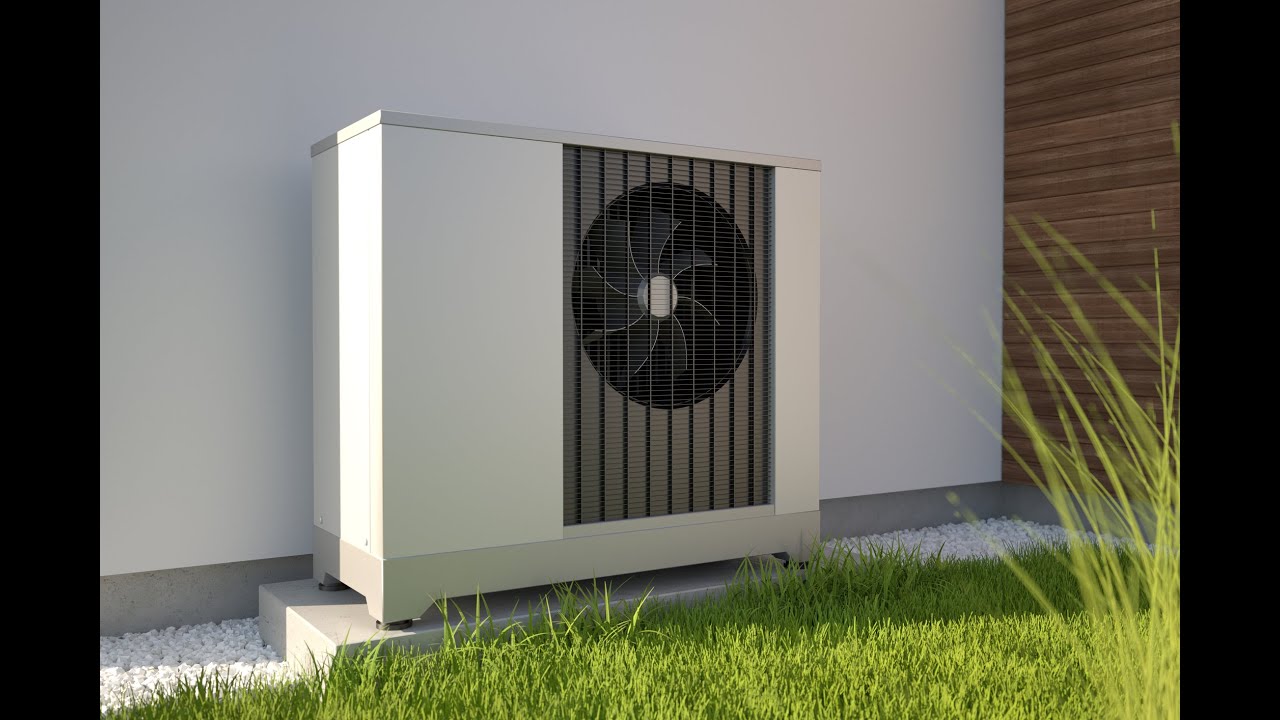
A hydronic heat pump is a sophisticated system that draws heat from the ground, water, or air and transfers it to a hydronic system. The system then distributes the heat via radiators, underfloor heating, or fan coil units, offering even warmth. Unlike conventional gas or electric boilers, heat pumps draw energy from renewable sources, so they are more efficient and friendly to the environment.
What are the main components of a hydronic heat pump system?
Heat Generator (Heat Pump)
- The heat pump is the central unit, generating heat by transporting thermal energy from exterior air, earth, or water sources.
- Air-to-water heat pumps are widely used due to their high efficiency in low-temperature conditions.
Pipes
- Tubes carry hot water from the generator to distribution terminals inside the building.
- They are usually constructed of cross-linked polyethylene (PEX) and need to be insulated to reduce heat loss and condensation.
Distribution Terminals
- These appliances release heat into the surrounding environment.
- Examples are radiators, fan coil units, and radiant floor systems.
- They provide uniform heat distribution for maximum comfort.
Circulation Pumps
- Circulation pumps keep the water flowing in the system to provide uniform heating to all parts of the building.
Control Devices
- Thermostats, thermostatic valves, and control systems control water temperature and flow to sustain preferred thermal conditions effectively.
Heat Exchangers
- Heat exchangers exchange heat between the generator’s hot water and the indoor air through terminal units such as radiators or fan coils.
Expansion Systems
- Expansion tanks provide room for volumetric adjustments in water for temperature changes and assist in system pressure maintenance.
How does a heat pump enhance energy efficiency?
Reduced Energy Consumption
- Heat pumps are much more energy-efficient than traditional heating systems.
- They operate on the principle of heat transfer and not heat creation, leading to less electricity use and lower bills.
Environmentally Friendly Solution
- In contrast to gas heaters that consume fossil fuels, heat pumps run on electricity and may be powered with renewable energy like solar power.
- This makes them a green-friendly option for home heating.
Is a heat pump economical in the long term? Lower Running Expenses
- While the initial installation expense of a heat pump is greater, its efficiency translates to reduced running expenses in the long term.
- Most homeowners recover their investment within a couple of years as a result of energy savings.
Government Rebates and Incentives
- Numerous incentives at the state and federal levels in Australia promote energy-efficient heating systems.
- Grants and rebates pay for the initial expense, and heat pumps become an economical choice.
How does a heat pump improve home comfort?
Even Regular Heating
- There is an even and regular supply of heat by hydronic heating systems, which removes cold spots and bursts of temperature fluctuations.
- They do not produce drafts or dry out the air like forced-air systems.
Quiet Operation
- While conventional HVAC systems may be loud, heat pumps are quiet.
- They heat efficiently without the incessant humming or buzzing of traditional heaters.
What maintenance does a heat pump need?
Low Maintenance Requirements
- Heat pumps need less maintenance than gas boilers.
- Periodic maintenance like filter cleaning and leak checks optimises performance and lifespan.
A heat pump for hydronic heating could be the perfect choice for your home!
A heat pump for hydronic heating is an affordable, efficient, and environmentally friendly heating option. It provides less energy consumption, lower operating expenses, enhanced comfort, and fewer maintenance needs. With government rebates offered, switching to a heat pump is a worthwhile investment for homeowners who want long-term savings and ecological advantages.