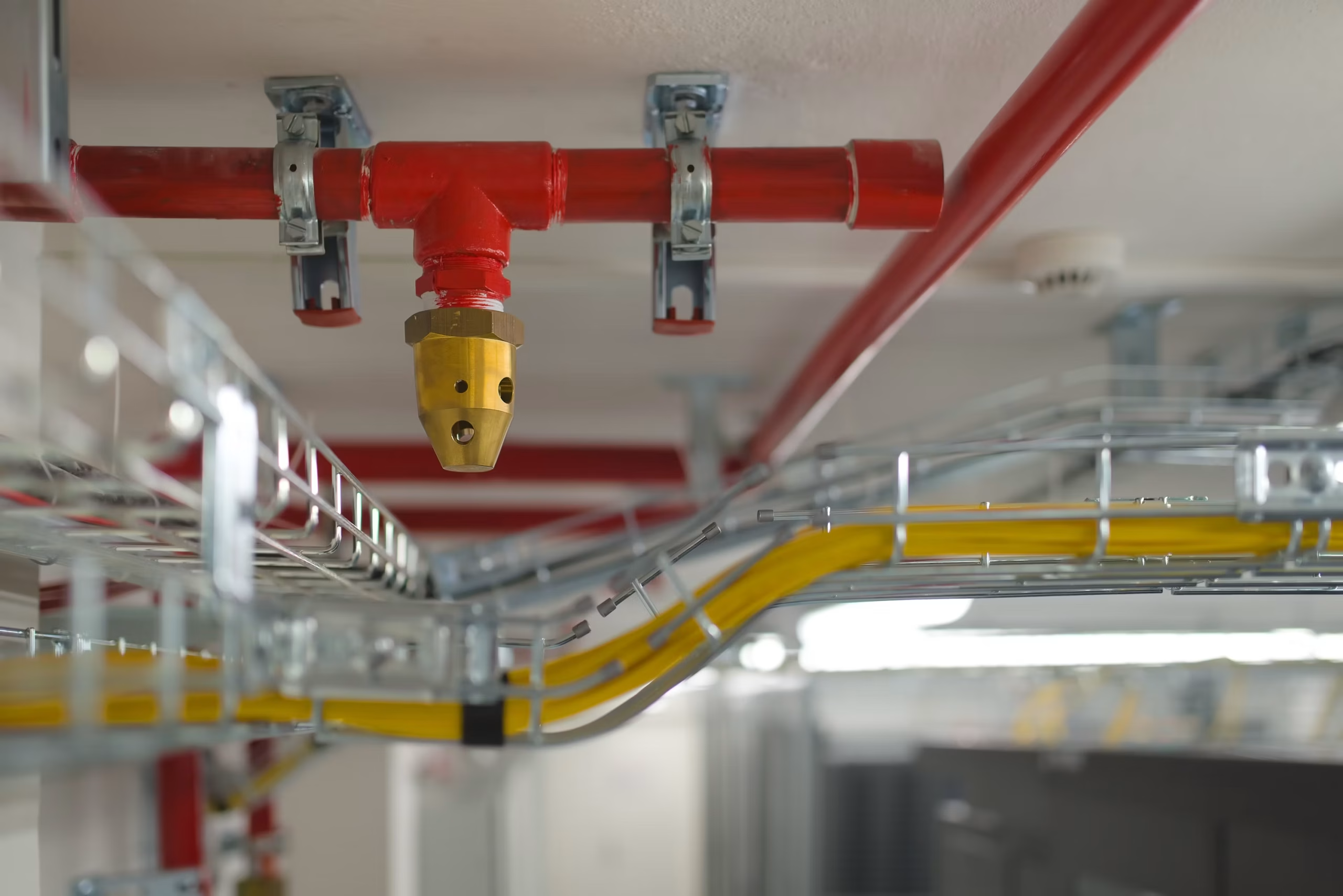
Understanding Fire Protection Services and Their Role in Emergency Safety
Fire risks remain a major hazard for residential, commercial, and industrial properties across Australia. As buildings become more complex and climate conditions continue to change, the demand for reliable fire preparedness measures grows stronger each year. To reduce danger, minimise damage, and safeguard lives, fire protection services play a central role in ensuring that structures are properly assessed, equipped, and maintained for all fire-related emergencies.
Why Understanding Fire Protection Services Matters
Fire emergencies can escalate within seconds. Smoke spread, heat transfer, material combustibility, and structural vulnerabilities can all contribute to rapid fire development. Without essential safety systems in place, occupants face significant risk, and property damage becomes far more severe.
This is why fire protection services form a critical part of modern safety management. These services include planning, equipment installation, compliance assessments, maintenance checks, and emergency preparedness strategies designed to prevent or reduce fire hazards.
Key Components of Fire Protection Services
Fire safety involves more than just alarms and extinguishers. The field covers a broad range of systems and procedures, each contributing to a complete safety framework.
Fire Detection Systems
Early detection remains one of the strongest defences in a fire emergency. Smoke alarms, heat detectors, and specialised sensors identify smoke or high temperatures in their earliest stages. Fire protection services professionals ensure detectors are correctly placed, calibrated, and compliant with Australian standards.
Fire Suppression Equipment
Suppression systems are designed to control, slow, or extinguish fires before they can spread. These systems include:
- Fire extinguishers
- Fire blankets
- Sprinkler systems
- Water mist systems
- Gas suppression systems for sensitive equipment areas
Regular testing ensures readiness during emergencies.
Fire Hydrant and Hose Reel Systems
Hydrant networks and hose reels provide crucial water access for firefighting teams. These systems must remain unobstructed, functional, and compliant. Inspections by fire protection services ensure proper water pressure, valve performance, and overall system reliability.
Emergency and Exit Lighting
Clear visibility during a fire is essential for safe evacuation. Emergency lighting guides occupants through smoke-affected areas, helping prevent injuries or delays. Testing includes battery checks, illumination performance, and pathway visibility verification.
Fire Safety Signage
Correct signage supports evacuation procedures. Signs indicate exit routes, equipment locations, hydrant points, assembly areas, and restricted zones. Fire protection services ensure signage meets national safety codes and remains easy to read.
Fire Doors and Passive Fire Protection
Passive systems work to contain flames and smoke within a limited area. These include:
- Fire doors
- Fire-rated walls
- Penetration seals
- Fire-resistant glazing
- Intumescent coatings
Such installations limit fire spread, giving occupants more time to evacuate and allowing firefighters to respond more effectively.
The Importance of Regular Inspections and Maintenance
Even the most advanced fire safety equipment becomes ineffective without routine maintenance. Dust, corrosion, electrical faults, mechanical wear, and outdated components can all reduce performance. Fire protection services conduct scheduled inspections to ensure that every fire system performs at optimal efficiency.
Common maintenance tasks include:
- Pressure checks on extinguishers
- Sprinkler system flow testing
- Emergency lighting discharge tests
- Detector sensitivity testing
- Fire door condition assessments
Routine servicing ensures compliance with Australian fire safety regulations and insurance requirements.
Fire Protection Services and Emergency Preparedness
Emergency preparedness forms a major part of fire safety. It focuses on ensuring that occupants know how to respond quickly and safely when a fire occurs.
Key elements include:
Evacuation Planning
Clear evacuation routes, assembly points, and safety procedures help guide occupants through emergencies. Plans are tailored to building layouts, occupancy types, and risk categories.
Emergency Training
Fire safety training teaches occupants how to recognise hazards, use extinguishers, respond to alarms, and follow evacuation protocols. In higher-risk environments, training also covers equipment shutdowns, hazard communication, and safe handling of combustible materials.
Risk Assessments
Fire risk assessments evaluate the likelihood of a fire and the potential consequences. These assessments highlight vulnerable areas, identify ignition sources, and recommend appropriate safety upgrades.
Compliance with Australian Standards
Australia maintains strict fire safety regulations to protect lives and minimise property loss. Compliance involves adhering to standards such as:
- AS 1851 for maintenance of fire protection systems
- AS 1670 for fire detection and alarm systems
- Building Code of Australia (BCA) fire requirements
Fire protection services professionals help property owners meet legal obligations, ensuring that buildings remain safe, compliant, and fully prepared for emergencies..
Why Fire Protection Services Are Essential for All Property Types
Fire risks affect every building, from compact residential homes to large commercial complexes and industrial facilities. Heat sources, electrical circuits, combustible materials, and storage arrangements can all contribute to accidental fires.
Investing in fire protection services ensures that each property maintains strong defence layers that prevent ignition, slow spread, and allow safe evacuation. This level of readiness becomes crucial during high-risk periods such as summer months or when indoor hazards increase due to equipment or occupancy changes.
Conclusion
Understanding fire protection services provides property owners and occupants with the knowledge needed to create safer environments and reduce the impact of fire emergencies. Through reliable detection systems, suppression equipment, passive fire measures, and regular maintenance, these services strengthen fire resilience and support safer evacuation outcomes. As fire risks continue to evolve across Australia, comprehensive fire protection remains a vital part of emergency safety planning, offering essential protection for people, buildings, and valuable assets.