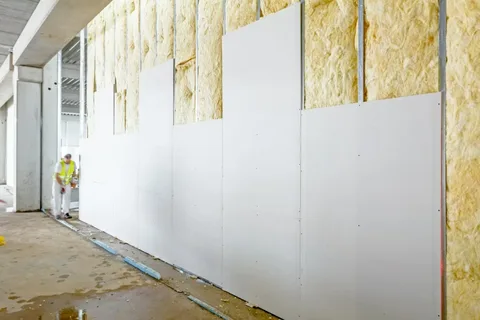
Wall Plasterboard Installation Guide for Residential and Commercial Projects
Wall plasterboard is one of the most widely used interior wall systems in modern construction. Its versatility, cost efficiency, and clean finish make it suitable for both residential and commercial projects. Understanding correct installation methods, material types, and performance considerations ensures durable walls that meet building standards and long-term usage requirements. This guide explains how Wall Plasterboard is installed, where it is used, and what factors influence successful results.
What Is Wall Plasterboard
Wall plasterboard is a manufactured building panel made from a gypsum core encased in durable paper layers. It is designed to create smooth internal walls and ceilings that are easy to finish with paint, tiles, or decorative treatments. Due to consistent sizing and performance properties, Wall Plasterboard supports fast construction while maintaining reliable structural and aesthetic outcomes.
Common Applications in Residential and Commercial Projects
Wall plasterboard is suitable for a wide range of environments. In residential construction, it is commonly used for internal walls, partitions, ceilings, and feature walls. Commercial buildings such as offices, retail spaces, schools, and healthcare facilities rely on Wall Plasterboard for its adaptability, fire performance options, and acoustic control capabilities.
Its ability to integrate insulation, electrical services, and plumbing within wall cavities makes it ideal for modern building layouts.
Types of Wall Plasterboard
Choosing the correct board type is essential for performance and compliance. Common options include:
- Standard boards for general internal areas
- Moisture-resistant boards for bathrooms, laundries, and kitchens
- Fire-rated boards for areas requiring enhanced fire protection
- Acoustic boards for noise control in offices and shared living spaces
- Impact-resistant boards for high-traffic commercial environments
Selecting the appropriate Wall Plasterboard type ensures durability and regulatory compliance for specific room conditions.
Tools and Materials Required
Successful installation depends on proper preparation. Typical requirements include:
- Wall plasterboard sheets
- Metal or timber framing systems
- Screws or fixing fasteners
- Jointing compound and tape
- Cutting tools and measuring equipment
- Safety equipment such as gloves and eye protection
Using compatible fixings and accessories designed for Wall Plasterboard improves installation accuracy and long-term stability.
Step-by-Step Installation Process
Frame Preparation
Ensure framing is level, secure, and correctly spaced. Frame alignment directly affects the final wall finish. Proper framing supports the accurate placement of Wall Plasterboard sheets.
Measuring and Cutting
Boards should be measured carefully and cut to fit the space. Accurate cuts reduce material waste and ensure tight joints between panels.
Fixing the Boards
Wall plasterboard sheets are fixed horizontally or vertically, depending on design requirements. Screws should be evenly spaced and set slightly below the surface without damaging the paper face.
Jointing and Finishing
Joint tape and compound are applied to seams and screw heads. Multiple coats are sanded smooth to create a seamless surface ready for finishing. Proper jointing ensures the visual quality expected from Wall Plasterboard installations.
Installation Considerations for Residential Projects
In residential settings, focus is placed on smooth finishes, moisture control, and sound insulation. Bathrooms and kitchens require moisture-resistant Wall Plasterboard, while bedrooms and living areas benefit from acoustic enhancements.
Correct installation improves energy efficiency and supports comfortable indoor living environments.
Installation Considerations for Commercial Projects
Commercial installations often involve stricter performance requirements. Fire-rated and acoustic Wall Plasterboard is commonly specified for offices, public buildings, and retail spaces. Durability and compliance with building codes are essential, particularly in high-traffic areas.
Professional installation helps ensure walls meet structural, fire, and acoustic standards.
Common Installation Mistakes to Avoid
- Incorrect screw spacing causing surface defects
- Overdriving screws and damaging board surfaces
- Poor joint finishing leading to visible seams
- Using the wrong Wall Plasterboard type for the environment
Avoiding these issues improves performance, appearance, and longevity.
Maintenance and Long-Term Performance
Once installed, wall plasterboard requires minimal maintenance. Regular inspections for moisture damage, cracks, or impact marks help maintain wall integrity. High-quality Wall Plasterboard combined with proper installation delivers long-lasting results for both residential and commercial interiors.
Sustainability and Modern Building Practices
Many modern wall plasterboard products are manufactured using recycled materials and designed for energy-efficient construction. Responsible sourcing and efficient installation methods support sustainable building outcomes while reducing waste.
Conclusion
Wall plasterboard plays a vital role in contemporary construction by delivering smooth finishes, adaptable design options, and reliable performance. Proper selection, accurate installation, and suitable finishing techniques ensure walls meet functional and aesthetic expectations. Whether for homes or commercial buildings, choosing the right Wall Plasterboard and following best installation practices results in durable, compliant, and visually appealing interior spaces.