
What Is A Decorative Concrete Sealer And Why Is It Important?
Concrete surfaces are no longer just functional. They are now designed to enhance the visual appeal of homes and commercial spaces. From driveways to patios, decorative concrete adds style and character. However, without proper protection, these surfaces can quickly lose their charm. This is where a decorative concrete sealer plays a vital role.
A sealer protects the surface while enhancing its appearance. It helps maintain colour, texture, and durability over time. Whether the surface is stamped, stained, or polished, sealing ensures it stays in good condition for years.
Why Should You Seal Decorative Concrete?
Concrete is naturally porous. This means it can absorb water, dirt, and stains if left unprotected. Over time, this can lead to fading, cracking, and surface damage.
Sealing creates a protective layer that prevents moisture penetration and resists stains. It also shields the surface from harsh weather conditions, including UV exposure. This is especially important in outdoor areas where surfaces are constantly exposed to sunlight and rain.
Another benefit is improved aesthetics. Sealing enhances the colour and finish of decorative concrete, making it look fresh and well-maintained. It can also add a glossy or matte finish depending on the chosen product.
What Types of Sealers Are Available?
There are different types of sealers designed for various applications. Choosing the right one depends on the surface type and desired finish.
Penetrating sealers absorb into the concrete and provide protection from within. They are ideal for outdoor areas as they offer strong resistance to moisture and weather damage.
Film-forming sealers sit on top of the surface and create a protective coating. These are often used when a glossy or enhanced finish is required. They also highlight colours and patterns in decorative concrete.
Acrylic sealers are popular for their affordability and ease of application. Epoxy and polyurethane sealers are more durable and suitable for high-traffic areas.
How Often Should You Reseal Concrete Surfaces?
Sealing is not a one-time process. Over time, the protective layer wears down due to foot traffic and environmental exposure. Regular maintenance is essential to keep the surface protected.
Most surfaces require resealing every two to three years. However, high-traffic areas may need more frequent application. Signs that resealing is needed include fading colour, water absorption, and visible wear.
Proper cleaning before resealing is important. Removing dirt and stains ensures the new layer bonds effectively with the surface.
How Do You Apply a Sealer Correctly?
Application plays a key role in achieving the best results. The surface must be clean and dry before applying any product. Dust, oil, or moisture can affect adhesion and finish quality.
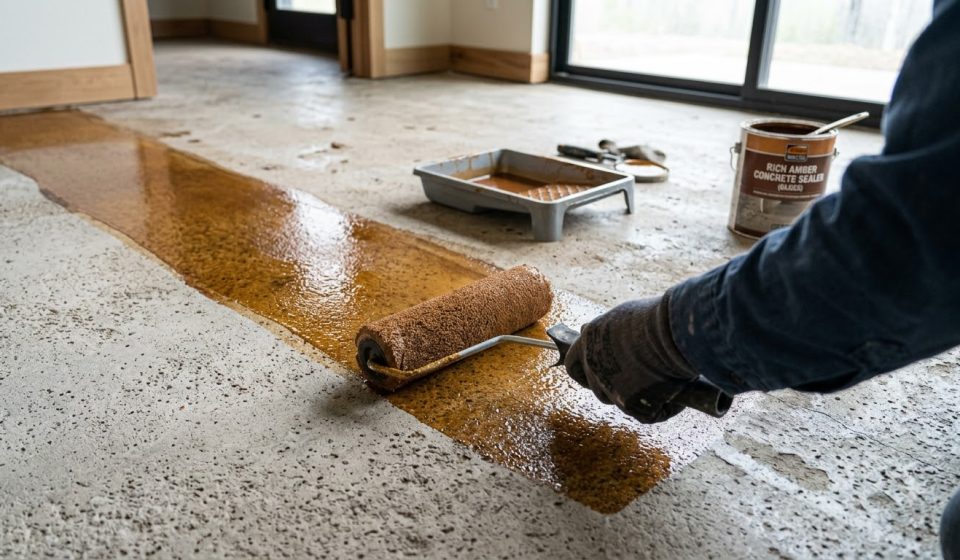
Sealers can be applied using a roller, sprayer, or brush. It is important to apply thin, even coats rather than a thick layer. This prevents bubbling and ensures a smooth finish.
Drying time varies depending on the product used. Allow sufficient time for curing before using the surface. Following manufacturer instructions helps achieve long-lasting protection.
What Are the Key Benefits of Using a Decorative Concrete Sealer?
Using a decorative concrete sealer provides multiple advantages. It extends the lifespan of the surface by protecting it from damage. It also reduces maintenance by preventing stains and dirt buildup.
Another key benefit is enhanced appearance. Sealing highlights the design and colour of decorative concrete, making it more visually appealing. It also improves resistance to wear, making it suitable for both residential and commercial spaces.
Conclusion
Decorative concrete is an excellent choice for modern spaces, but it requires proper care to maintain its look and strength. Sealing is an essential step that protects the surface and enhances its appearance. With the right product and regular maintenance, concrete surfaces can remain durable, attractive, and long-lasting for years.


