What Makes Hand Piling In Sydney A Smart Choice For Construction Projects?
When considering the foundation of a structure, the question often arises — what method ensures both stability and minimal site disruption? For many builders and developers, hand piling in Sydney has become a go-to solution. This technique offers a practical approach to establishing strong foundations in tight or restricted access areas, often where heavy machinery cannot operate efficiently. But what makes hand-piling such a preferred choice across Sydney’s residential and commercial projects?
Why Is Hand Piling Needed in Urban In Sydney?
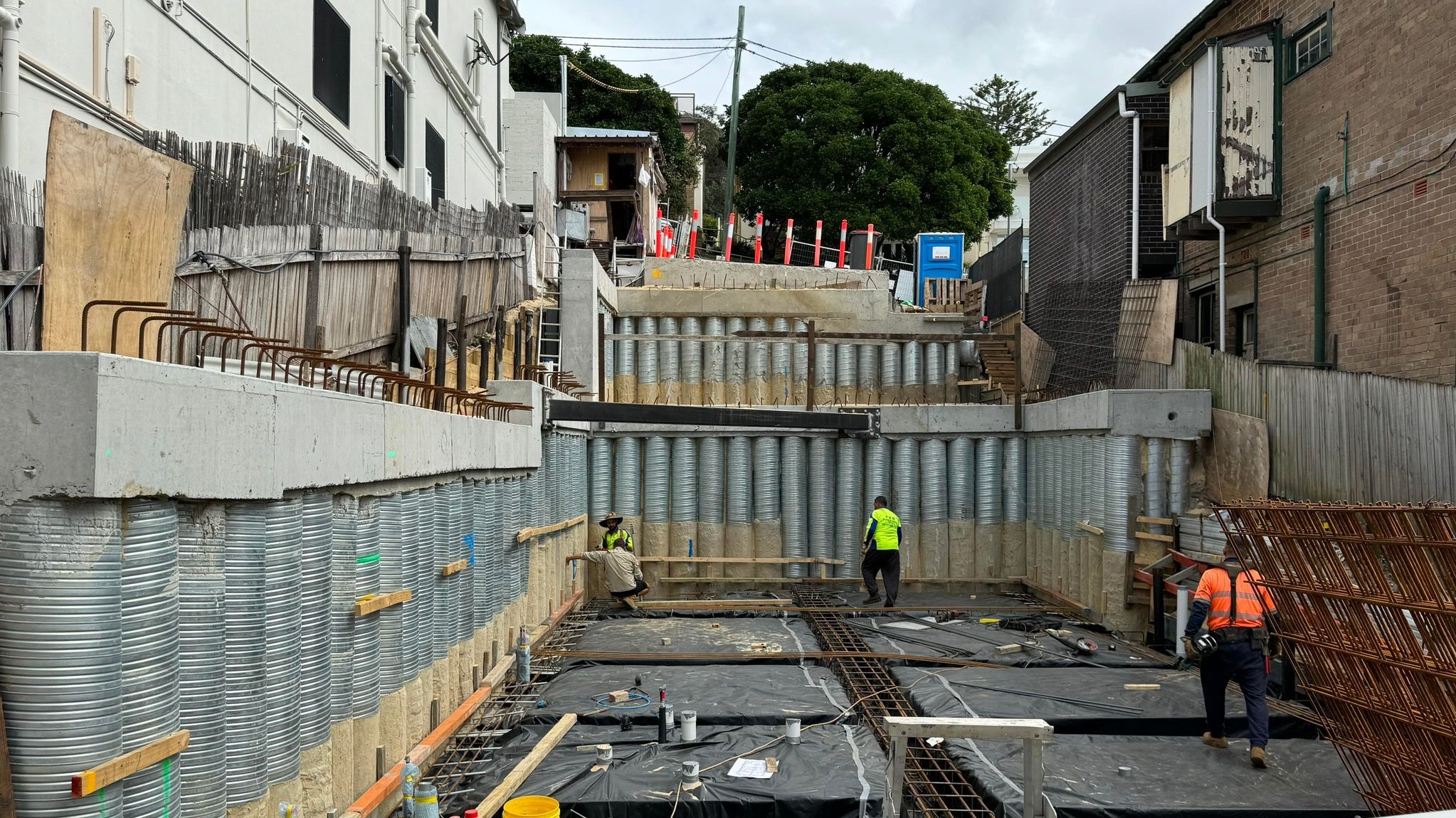
Sydney’s dense urban environment presents a unique challenge for construction. With narrow laneways, neighbouring properties, and existing underground services, traditional piling machinery often struggles to access confined spaces. Hand piling, however, allows workers to manually excavate piles with precision, making it ideal for inner-city builds, house extensions, and basement works. The process involves less noise and vibration, protecting surrounding structures from potential damage — a crucial advantage in closely built-up suburbs.
How Does the Hand Piling Process Work?
The hand-piling process begins with digging small-diameter holes by hand to the required depth. Reinforcement cages are placed into these holes, followed by concrete pouring to form the pile. This method not only provides strong load-bearing capacity but also allows complete control over the alignment and placement of each pile. Contractors rely on accuracy, ensuring the structure above rests on a stable and secure base. It’s a labour-intensive method, but its precision and flexibility make it a valuable choice for delicate construction environments.
What Are the Key Advantages of Hand Piling?
One of the most significant benefits of hand piling is its adaptability. Sites with limited access, uneven terrain, or heritage restrictions can still undergo foundation work without the need for large machinery. Additionally, the method generates minimal disturbance, making it suitable for residential zones where noise and vibration restrictions apply. Hand piling is also cost-effective in smaller-scale projects, as it avoids expensive machinery mobilisation and setup costs.
Another key advantage lies in the environmental benefits. With less excavation waste and reduced carbon footprint from machinery use, this method aligns with sustainable building practices increasingly adopted across Sydney.
Where Is Hand Piling Most Commonly Used?
Hand piling is widely used in Sydney’s older suburbs, where homes sit close together or boundary walls limit access. It’s also common in renovation or underpinning projects that require strengthening existing foundations. Builders working on sloping sites or coastal areas also prefer hand piling due to its ability to adapt to varied soil conditions. Whether for retaining walls, extensions, or new builds, this method continues to support the structural integrity of countless Sydney properties.
How to Choose the Right Contractor for Hand Piling in Sydney?
Selecting a qualified contractor is vital for the success of any piling project. Look for teams with experience in confined-space piling and a strong understanding of local soil conditions. Reputable specialists will assess your site carefully before proposing the best piling solution. Their expertise ensures compliance with Australian building standards and safe on-site practices.
Is Hand Piling the Future of Small-Site Foundations?
As Sydney continues to expand, the need for adaptable and less invasive construction techniques grows. Hand piling offers a balance between manual precision and reliable structural performance, making it an enduring choice for complex builds. It reflects the city’s evolution — innovative, practical, and built to last even in the most challenging environments.