Why Factory Line Marking Is Key To Improving Workplace Safety And Productivity
In factory environments, factory line marking plays a crucial role in safety, organisation, and operational efficiency. From marking safety zones to organising machinery paths, clear lines help ensure smooth workflows and reduce the risk of accidents. Whether you are operating a large manufacturing plant or a smaller workshop, proper line markings are essential for maintaining an organised, safe, and productive environment.
In this blog, we’ll explore the critical role of factory line marking and why it’s vital for improving workplace safety, efficiency, and compliance. We’ll also provide practical tips on how to make the most out of factory line marking to optimise operations and reduce risks.
Why Is Factory Line Marking Vital for Industrial Facilities?
Safety and Compliance
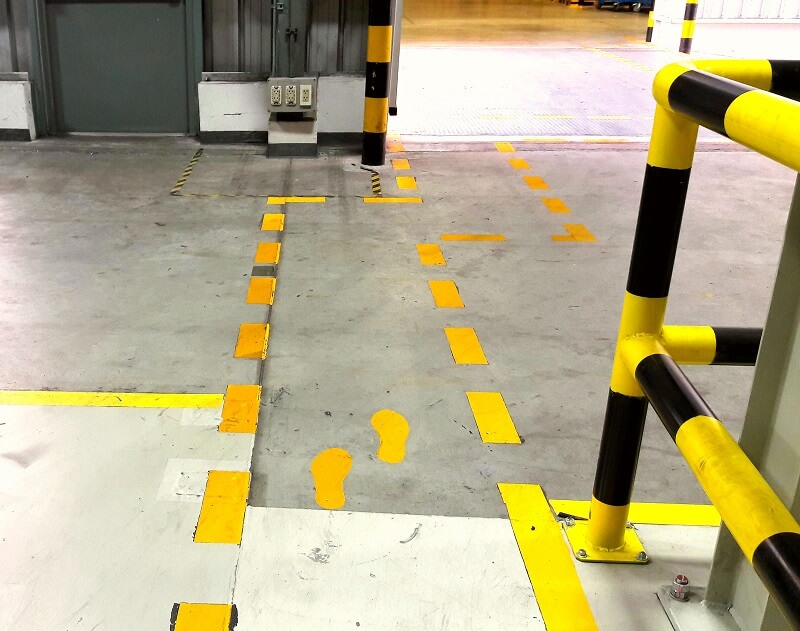
Factory line marking is essential to creating a safe working environment. Clear markings help distinguish between hazardous areas, pedestrian zones, storage areas, and machinery paths. This reduces the risk of accidents and keeps employees out of dangerous zones. The markings also ensure compliance with safety regulations, as workplaces are required by law to delineate walkways, forklift routes, and emergency exits.
Optimising Workflow
In an industrial setting, clear factory line markings are crucial for streamlining operations. They help define workstations, material handling areas, storage locations, and the flow of traffic for both people and machines. When everything has a designated space, it reduces confusion, minimises delays, and improves overall efficiency.
Improved Productivity
Factory line markings are not just about safety; they also contribute to productivity. When pathways are clearly marked, workers can easily locate the tools, materials, and equipment they need. This reduces the time spent searching for items and ensures smoother processes. For example, creating a clear separation between areas for assembly, packaging, and storage leads to better organisation and reduces bottlenecks in production lines.
Minimising Downtime
In busy factory environments, downtime is costly. When machinery or equipment isn’t used efficiently, or workers are unsure of their designated areas, production slows down. Factory line markings help establish clear workflows and safe zones, allowing workers to stay on task and minimising the chances of operational delays. A smooth and organised factory floor contributes directly to minimising downtime and enhancing overall productivity.
Regulatory Compliance
In many industries, factory line marking is required by law to comply with workplace safety regulations. Proper line markings ensure that your factory meets the Occupational Health and Safety (OHS) regulations, which are enforced by Australian authorities. Non-compliance can result in penalties, and more importantly, it can jeopardise the safety of your employees. Regular inspections and accurate line marking can help keep your facility in full compliance with relevant workplace laws.
How Can You Choose the Right Factory Line Marking Service?
Experience in Industrial Settings
Factory line marking is not a one-size-fits-all solution. It requires a detailed understanding of your factory’s specific needs, space requirements, and safety regulations. When choosing a line marking service, opt for a provider with experience working in industrial settings. They should be familiar with the complexities of marking factory floors, dealing with high-traffic areas, and addressing safety compliance.
Quality Materials
Factory environments endure heavy foot and vehicle traffic, meaning the line markings must be durable and long-lasting. Choose a service provider that uses high-quality, industrial-grade paints and coatings designed to withstand harsh conditions. Materials like thermoplastic paints or epoxy-based coatings are ideal for factory floors as they offer long-term durability.
Custom Markings
Not all factories are the same, and your factory may have specific needs for custom line markings. For instance, you may need special markings for hazardous areas, waste disposal zones, or designated forklift lanes. Look for a provider who can create custom solutions tailored to your factory’s layout, needs, and regulatory requirements.
Regulatory Knowledge
Choose a service provider who is knowledgeable about local industrial safety regulations. An experienced provider will understand the specific requirements for factory line markings, such as emergency evacuation routes, hazardous material zones, and pedestrian walkways, ensuring that your factory is fully compliant.
Ongoing Maintenance
Factory line markings are subjected to high wear and tear, so it’s important to schedule regular maintenance. Ask your service provider about their ongoing maintenance options to keep your markings visible and clear. Maintenance includes periodic checks and reapplications to ensure that your markings continue to meet safety standards and remain effective over time.
How Can You Extend the Life of Your Factory Line Markings?
Use High-Quality Paints
Opt for durable, long-lasting paints that are specifically designed for industrial environments. These paints are resistant to fading, chemicals, and abrasions, ensuring that your markings stay visible and intact for a longer time.
Regular Inspections
Periodically inspect your factory floor for signs of wear and tear on your line markings. High-traffic areas, such as entry/exit points or forklift routes, may require more frequent touch-ups to maintain their clarity.
Proper Surface Preparation
Before applying new markings, make sure the factory floor is thoroughly cleaned and prepared. This improves adhesion and ensures that the markings last longer. Any dust, oil, or grease on the surface can interfere with the paint’s bond.
Touch-Ups and Repainting
Factory lines can fade or become worn over time. Regularly schedule touch-ups and repainting to keep the markings clear and visible. Repainting every 12 to 18 months, or as needed, ensures the lines are always well-defined and easy to follow.
Professional Installation
Always rely on experienced professionals for factory line marking. They use the best equipment and techniques to ensure that your markings are accurate, long-lasting, and compliant with industry standards.
Conclusion:
Proper factory line marking is a key aspect of ensuring safety, efficiency, and compliance in industrial environments. With the right professional services and ongoing maintenance, you can optimise your factory for better productivity and a safer workplace. By choosing the right materials and regularly maintaining your markings, you can ensure that your factory remains a safe and well-organised environment for years to come.