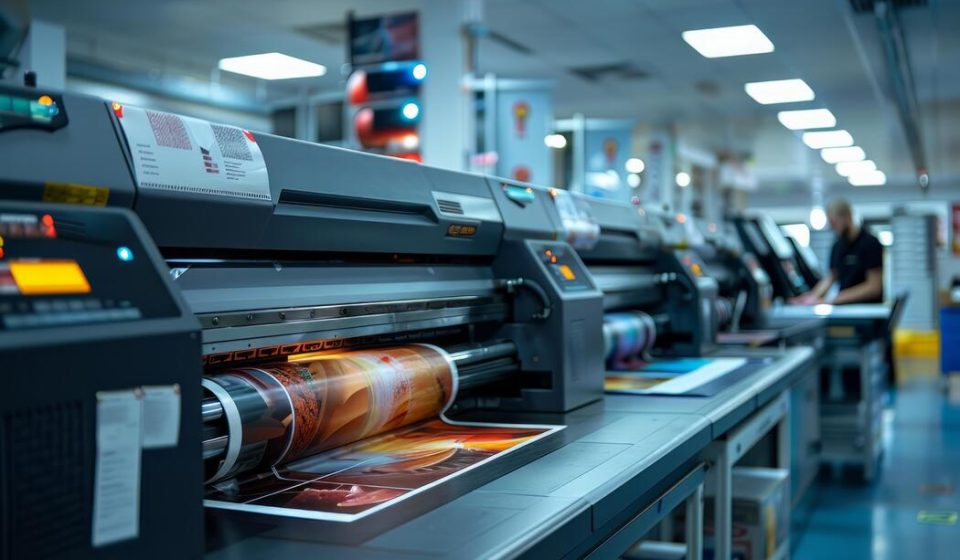
How Can High Quality Printing In Sydney Help Businesses Build A Strong Brand Identity?
Printing plays an important role in how businesses present their products, services, and brand identity. From business cards and brochures to banners, catalogues, and promotional materials, professionally printed products help companies communicate with customers and create a positive impression. Choosing high quality printing in Sydney allows businesses to present their brand consistently through clear images, attractive colours, and well-finished marketing materials. Whether a company operates a small retail store or manages a large organisation, suitable printing solutions can support its marketing activities and improve the overall customer experience.
With different printing technologies, paper options, and finishing techniques available, businesses can create materials that match their requirements and budgets. Understanding these options makes it easier to select the right printing service for different projects.
Why Is Professional Printing Important for Businesses?
Printed marketing materials continue to be useful even as digital advertising becomes more popular. They provide customers with physical information that can be viewed, shared, displayed, or kept for future reference.
Professional printing helps businesses maintain a consistent appearance across their marketing materials. Using the same brand colours, logos, typography, and design elements creates a recognisable identity.
For example, a company can use matching designs across business cards, brochures, product catalogues, and promotional posters. This consistency makes its communication look organised and professional.
Quality also influences how customers perceive a business. Clear text, accurate colours, sharp images, and properly finished materials can make promotional products more appealing and easier to understand.
What Are the Different Types of Printing Services Available?
Different printing services are designed to meet specific business and personal requirements. Selecting the right option depends on the purpose, quantity, design, and intended use of the printed material.
Digital Printing
Digital printing is suitable for short production runs, personalised materials, and projects that require quick turnaround times. It transfers digital artwork directly onto the printing surface without requiring traditional printing plates.
Businesses commonly use this method for flyers, business cards, invitations, brochures, and small marketing campaigns.
One major advantage is flexibility. Designs can be updated easily, making digital printing useful when businesses need different versions of the same material.
Offset Printing
Offset printing is commonly used for larger printing quantities where consistent results are important. It transfers ink from printing plates onto a rubber blanket before applying it to the final material.
This method is suitable for magazines, books, catalogues, brochures, and other bulk printing projects.
Although the initial setup can take longer, offset printing may become more economical when producing large quantities.
Large Format Printing
Large format printing is designed for materials that need to be displayed at a bigger size. It is widely used for banners, posters, signage, exhibition displays, and promotional graphics.
Retail stores, event organisers, restaurants, and commercial businesses use these materials to communicate messages and attract attention in physical spaces.
Custom Promotional Printing
Promotional printing includes customised products that help businesses increase brand visibility. Examples include branded stationery, presentation folders, promotional labels, calendars, and other marketing materials.
These products can be used at exhibitions, corporate events, customer meetings, and promotional campaigns.
How Can Quality Printing Improve Brand Recognition?
Brand recognition develops when customers repeatedly see consistent visual elements associated with a business. Printed materials provide another opportunity to communicate these elements.
Consistent Brand Colours
Using accurate brand colours across different materials creates a uniform appearance. Businesses should provide suitable artwork files and colour references to help printers achieve consistent results.
Clear Logos and Images
High-resolution artwork helps prevent blurred logos and pixelated images. It is especially important for materials that include product photographs, detailed graphics, or small text.
Professional Presentation
Well-designed and properly finished printed materials help businesses communicate information clearly. Smooth finishes, clean cutting, correct alignment, and suitable paper selection contribute to an attractive final product.
Better Customer Communication
Brochures, flyers, and catalogues allow businesses to explain their products and services in an organised format. Customers can review important details without needing to search through multiple online pages.
What Should You Consider Before Choosing a Printing Service?
Choosing a printing provider requires more than comparing prices. Businesses should consider several factors to ensure the final products meet their expectations.
Printing Quality
Review previous work samples to understand the provider’s printing standards. Check colour accuracy, image sharpness, text clarity, and finishing quality.
Paper and Material Selection
Different projects require different materials. Thick cardstock may be suitable for business cards, while lightweight paper may work better for promotional flyers.
For outdoor applications, weather-resistant materials may be necessary. The material should match the intended environment and expected usage.
Printing Quantity
The required quantity can influence the most suitable printing method. Digital printing may be practical for smaller orders, whereas offset printing can offer cost advantages for larger production runs.
Turnaround Time
Ask about production schedules before confirming an order. Businesses planning exhibitions, product launches, or promotional events should allow sufficient time for printing, finishing, and delivery.
Design and Artwork Requirements
Check the required file format, image resolution, bleed settings, and colour mode before submitting artwork.
Providing print-ready files helps reduce production issues and ensures the design is reproduced as intended.
How Can Small Businesses Benefit from Professional Printing?
Small businesses often need affordable ways to communicate their services and establish a recognisable identity. Printed materials offer several opportunities to support these goals.
For example, a local café can use menus, loyalty cards, takeaway packaging, and promotional flyers to communicate with customers. A real estate agency may need property brochures, presentation folders, and business cards for client meetings.
Retail stores can use posters, product labels, window graphics, and promotional signage to highlight special offers.
By selecting suitable materials and quantities, smaller companies can manage their printing expenses while maintaining a professional brand presentation.
What Are the Latest Trends in the Printing Industry?
The printing industry continues to develop through improvements in technology, materials, and production processes.
Personalised Printing
Businesses increasingly use customised designs to communicate with specific customer groups. Personalised brochures, invitations, labels, and promotional materials help create more relevant marketing experiences.
Sustainable Printing Materials
Environmental considerations are becoming more important when selecting printing products. Recycled paper, responsibly sourced materials, and suitable eco-friendly inks are among the options businesses may consider.
However, sustainability claims should be checked against the actual materials and production processes used.
Creative Finishing Options
Finishing techniques can improve the appearance and feel of printed materials. Popular options include matte lamination, gloss lamination, spot UV, embossing, and foil stamping.
These finishes are commonly used for premium business cards, invitations, packaging, and presentation materials.
Advanced Digital Technology
Modern printing equipment supports improved colour management, variable data printing, and more flexible production. These developments help businesses create customised materials for different marketing requirements.
How Do You Find the Right Printing Company in Sydney?
Finding a suitable printing provider involves evaluating experience, services, quality, and customer support.
Start by identifying the type of material you need and the quantity required. Then compare providers based on their available printing methods, material options, finishing services, and previous work.
Ask for a quotation that clearly explains printing costs, design requirements, production time, and any additional charges.
It is also useful to request a sample or proof before approving a large order. This allows you to check colours, layout, paper quality, and other important details.
Businesses should also choose a provider that communicates clearly and understands their specific project requirements.
Conclusion
Professional printing remains an effective way for businesses to promote their services, communicate important information, and build a recognisable brand identity. From business cards and brochures to large-format banners and customised promotional products, the right printing solution can improve presentation and support marketing activities.
Choosing high quality printing in Sydney involves considering printing technology, material selection, artwork quality, finishing options, and production requirements. By evaluating these factors carefully, businesses can create attractive printed materials that communicate their message effectively and leave a positive impression on customers.