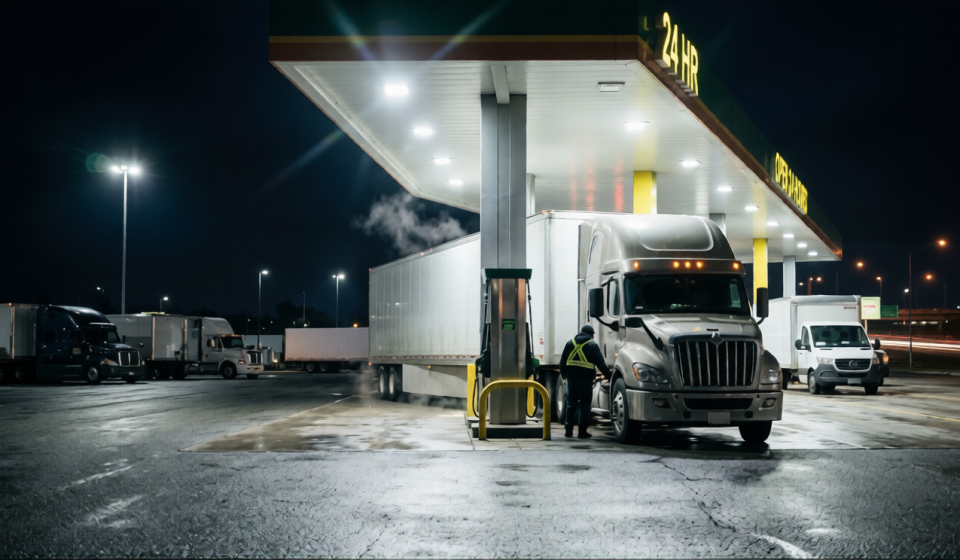
What Are The Benefits Of 24 Hour Refuelling For Businesses And Transport Operators?
Fuel is an essential requirement for businesses that depend on vehicles, machinery, and heavy equipment. Transport companies, construction contractors, mining operations, and logistics providers often work beyond standard business hours. Their fuel requirements can arise early in the morning, late at night, or during weekends. Any delay in accessing fuel can affect work schedules, vehicle operations, and overall productivity.
24 Hour Refuelling provides a practical solution for businesses that need fuel access outside traditional operating hours. It allows commercial operators to organise fuel supplies according to their working schedules rather than depending entirely on standard fuel station opening times. This flexibility supports continuous operations and helps businesses manage their fuel requirements more efficiently.
Why Is 24-Hour Fuel Access Important for Businesses?
Many industries operate around the clock to meet customer demands, complete projects, and maintain transportation schedules. Vehicles and machinery may need refuelling at different times depending on workload and operating conditions.
Limited access to fuel can create unnecessary interruptions, particularly for businesses managing large fleets or working across multiple locations.
Having access to fuel services outside regular business hours offers several advantages:
- Supports businesses operating overnight and during weekends.
- Helps reduce delays caused by fuel shortages.
- Provides greater flexibility in fuel management.
- Supports transport and logistics schedules.
- Helps maintain productivity across different work shifts.
- Makes fuel planning easier for commercial operations.
Reliable fuel arrangements are particularly important for companies where vehicle downtime can affect deliveries, project deadlines, and operating costs.
Which Industries Benefit from Around-the-Clock Refuelling?
Different industries have different fuel consumption patterns. Businesses that operate continuously or manage demanding schedules can benefit from flexible fuel supply arrangements.
Transport and Logistics
Transport companies often operate long-distance trucks, delivery vehicles, and commercial fleets. Drivers may travel overnight or follow delivery schedules that extend beyond regular business hours.
Access to fuel when required helps transport operators organise their journeys and reduce unnecessary interruptions. It also supports fleet managers who need to coordinate fuel requirements across several vehicles.
Construction and Infrastructure
Construction projects depend on machinery such as excavators, loaders, generators, cranes, and other heavy equipment. These machines may operate for extended hours to meet project deadlines.
Flexible refuelling arrangements help construction businesses manage fuel requirements at different stages of a project. This is especially useful for sites with demanding schedules or limited access to nearby fuel stations.
Mining and Industrial Operations
Mining and industrial businesses frequently operate in shifts, including overnight periods. Heavy machinery, generators, and service vehicles require regular fuel supplies to support daily activities.
Organised fuel arrangements help these businesses maintain suitable fuel availability while reducing interruptions to important operations.
Agriculture and Farming
Agricultural work often depends on seasonal conditions and time-sensitive activities. Tractors, harvesters, irrigation systems, and other machinery may require fuel during early mornings, evenings, and busy harvesting periods.
Flexible delivery arrangements help farmers manage changing fuel requirements throughout the year.
How Does After-Hours Refuelling Work?
After-hours fuel services are designed to support businesses that cannot always follow standard fuel station schedules.
Depending on the supplier and service arrangement, businesses may organise fuel deliveries or access suitable refuelling facilities outside normal operating hours.
The process generally involves understanding the customer’s fuel requirements, identifying the required fuel type, confirming the delivery location, and arranging a suitable schedule.
Businesses may need to provide information such as:
- Type of fuel required.
- Estimated fuel quantity.
- Delivery address or operating location.
- Preferred delivery time.
- Vehicle or equipment requirements.
- Site access and safety instructions.
Providing accurate information helps suppliers organise suitable arrangements and reduces the possibility of delivery-related complications.
What Should Businesses Consider When Choosing a Refuelling Provider?
Selecting an appropriate fuel service provider is important for maintaining consistent business operations. Businesses should evaluate several factors before choosing a supplier.
Fuel Quality and Product Availability
The supplier should offer fuel products suitable for the vehicles and equipment being operated. Businesses should confirm the available fuel types and ensure they meet manufacturer specifications.
Flexible Operating Hours
Check whether the provider supports the required delivery times, including overnight periods, weekends, and public holidays where available.
Delivery Coverage
Businesses operating across multiple locations should check the supplier’s service areas. Confirming delivery coverage in advance helps avoid difficulties when fuel is required at different sites.
Safety and Handling Procedures
Fuel transportation and storage require appropriate safety measures. Businesses should work with providers that follow relevant handling procedures, use suitable equipment, and understand workplace safety requirements.
Pricing Transparency
Compare fuel prices, delivery charges, minimum order quantities, and other applicable costs. Understanding the complete pricing structure helps businesses plan their operating budgets.
How Can Businesses Improve Their Fuel Management?
Effective fuel management involves more than arranging deliveries. Businesses should monitor consumption, maintain accurate records, and establish suitable refuelling schedules.
Here are some practical ways to improve fuel management:
- Monitor fuel consumption regularly to understand usage patterns.
- Maintain records of fuel purchases and deliveries.
- Check storage tanks and equipment for leaks or damage.
- Estimate future requirements based on operating schedules.
- Avoid unnecessary fuel storage beyond suitable capacity.
- Train employees in safe fuel handling procedures.
- Review supplier performance and delivery arrangements periodically.
These practices help businesses maintain better control over fuel requirements and identify potential inefficiencies.
Why Is Fuel Supply Planning Important for Continuous Operations?
Unexpected fuel shortages can affect productivity, particularly when businesses depend on machinery and vehicles to complete time-sensitive work.
For example, a transport company managing several delivery vehicles needs to coordinate fuel requirements around travel schedules. Similarly, a construction contractor may need fuel available at a site before machinery begins its daily operations.
Planning fuel requirements in advance helps businesses estimate consumption, organise deliveries, and maintain appropriate stock levels.
A suitable supply arrangement also provides greater flexibility when operational requirements change. Businesses can review their usage patterns and adjust delivery schedules according to seasonal demand, project workloads, and fleet expansion.
Frequently Asked Questions
What is 24-hour refuelling?
It refers to fuel access or delivery services available outside standard business hours, depending on the provider’s operating arrangements. These services support businesses that require fuel during overnight shifts, weekends, and other non-standard operating periods.
Who needs after-hours fuel services?
Transport companies, construction contractors, mining operators, agricultural businesses, logistics providers, and industrial facilities may require fuel outside regular business hours.
Can businesses arrange fuel deliveries overnight?
Some fuel suppliers provide overnight delivery options. Availability depends on the supplier, delivery location, fuel requirements, and scheduling arrangements.
What information is required to organise a fuel delivery?
Businesses generally need to provide the fuel type, required quantity, delivery location, preferred time, and any relevant site access instructions.
How can businesses reduce fuel-related operational delays?
Businesses can monitor consumption, maintain appropriate fuel stocks, schedule deliveries in advance, and work with suppliers that support their operating requirements.
Conclusion
Reliable fuel access is essential for businesses that depend on vehicles, machinery, and equipment to maintain daily operations. Flexible refuelling arrangements help transport operators, construction companies, mining businesses, and industrial facilities manage fuel requirements beyond traditional business hours.
Choosing a suitable 24 Hour Refuelling provider involves evaluating fuel quality, delivery availability, service coverage, safety procedures, and pricing. Combined with effective fuel management and advance planning, these arrangements help businesses maintain productivity, minimise avoidable interruptions, and support their ongoing operational requirements.