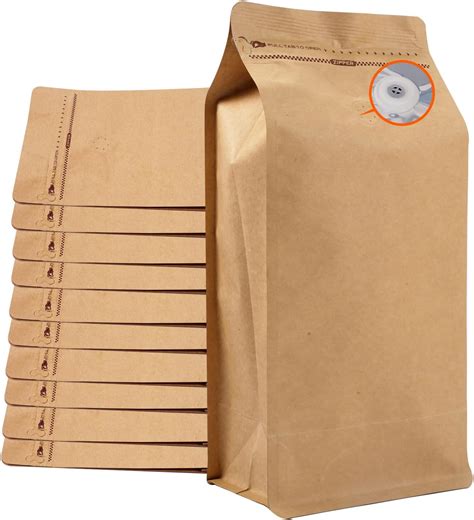
How Coffee Packaging Pouches Protect Freshness, Flavour and Quality
The quality of coffee depends on more than the origin of the beans or the roasting process. Packaging plays an equally important role in maintaining freshness, protecting delicate aromas and ensuring a consistent experience from the first cup to the last.
Across Australia, where coffee consumption is firmly established in everyday routines, coffee packaging pouches provide a practical solution for preserving roasted beans and ground coffee. Their construction, barrier properties and functional features influence how well coffee retains its original characteristics during storage and distribution.
Understanding these features can help coffee producers, retailers and consumers make more informed packaging decisions.
Why Packaging Matters for Coffee Quality
Freshly roasted coffee undergoes gradual chemical changes when exposed to oxygen, moisture, heat and light. These conditions can accelerate flavour deterioration, diminish aromatic compounds and affect the overall drinking experience.
Appropriate packaging helps limit exposure to these external factors while maintaining the condition of the coffee throughout its intended storage period.
The effectiveness of a pouch depends largely on its material composition, sealing quality and suitability for the product being packed.
Essential Features of Effective Coffee Packaging
1. Barrier Protection Against External Elements
Coffee requires protection from environmental conditions that may compromise its quality. High-barrier packaging materials are commonly used to minimise exposure to oxygen, moisture and light.
Different packaging structures provide varying levels of protection:
- Oxygen barriers: Help reduce oxidation and preserve desirable flavour characteristics.
- Moisture resistance: Limits humidity exposure that may affect coffee quality.
- Light protection: Reduces exposure to light that can contribute to product deterioration.
- Secure seals: Help maintain the protective environment within the package.
For Australian businesses distributing coffee across different climatic regions, selecting appropriate barrier materials is particularly important.
2. One-Way Degassing Valves
Freshly roasted coffee releases carbon dioxide following roasting. When coffee is packed shortly afterwards, this gas can accumulate inside sealed packaging.
One-way degassing valves allow carbon dioxide to escape while restricting the entry of external air.
This feature is particularly useful for whole-bean coffee packaged soon after roasting. However, not every coffee product requires a valve, and its suitability depends on factors such as roast age, packaging conditions and intended shelf life.
3. Resealable Closures for Everyday Convenience
Once a coffee pouch is opened, repeated exposure to air can gradually affect freshness.
Resealable closures offer a convenient way to limit unnecessary exposure between uses. Common features include press-to-close zippers, tear notches and reinforced seals.
These additions are especially useful for consumers who purchase larger quantities of coffee and use them over several weeks.
Choosing Packaging Materials With Sustainability in Mind
Environmental considerations increasingly influence packaging decisions throughout Australia’s food and beverage sector.
Manufacturers may offer recyclable mono-material structures, paper-based laminates and other alternatives designed to reduce environmental impact.
However, sustainable packaging requires careful evaluation. A pouch described as recyclable may not be accepted through standard household recycling services, particularly when it contains multiple bonded materials.
Similarly, compostable packaging requires suitable processing conditions and may not be compatible with conventional recycling systems.
Businesses should assess material specifications, local disposal infrastructure and product protection requirements before selecting an environmentally preferable option.
How Packaging Design Influences Consumer Decisions
Packaging serves both protective and communication purposes.
For coffee products displayed in retail environments, visual presentation can help consumers distinguish between roast profiles, bean origins and product formats.
Effective pouch design generally incorporates:
- Clear product identification and roast information.
- Legible labelling and relevant storage instructions.
- Practical opening and resealing features.
- Suitable dimensions for retail display and storage.
- Consistent visual elements that support product recognition.
An attractive design should never compromise functionality. Packaging that looks appealing but offers inadequate barrier protection may ultimately undermine product quality.
Selecting the Appropriate Pouch Format
Different coffee products and distribution requirements call for different packaging solutions.
| Pouch Format | Common Application | Main Advantage |
| Stand-up pouch | Retail coffee beans and ground coffee | Convenient shelf presentation |
| Flat-bottom pouch | Premium retail coffee packaging | Stable base and efficient display |
| Side-gusset pouch | Larger coffee quantities | Flexible filling capacity |
| Flat pouch | Small portions and sample packs | Compact packaging format |
When selecting coffee packaging pouches, businesses should consider filling equipment compatibility, storage conditions, required shelf life and customer convenience.
Frequently Asked Questions
Do all coffee pouches need degassing valves?
No. Degassing valves are particularly relevant for freshly roasted coffee that continues releasing carbon dioxide. Packaging requirements vary according to the product and packing process.
Can coffee pouches be recycled in Australia?
Some can, depending on their material composition and available recycling facilities. Consumers should check the packaging instructions and local recycling guidance.
What is the best way to store packaged coffee?
Store coffee in a cool, dry location away from direct sunlight and heat. After opening, reseal the packaging securely and minimise unnecessary air exposure.
Making Better Coffee Packaging Decisions
Effective coffee packaging balances freshness preservation, practical functionality, visual presentation and environmental considerations.
Whether intended for individual consumers, speciality retailers or commercial distribution, coffee packaging pouches should be selected according to the specific characteristics of the coffee and its storage requirements.
Prioritising suitable materials, reliable seals and convenient features helps maintain product quality while creating a more dependable experience for Australian coffee consumers.