
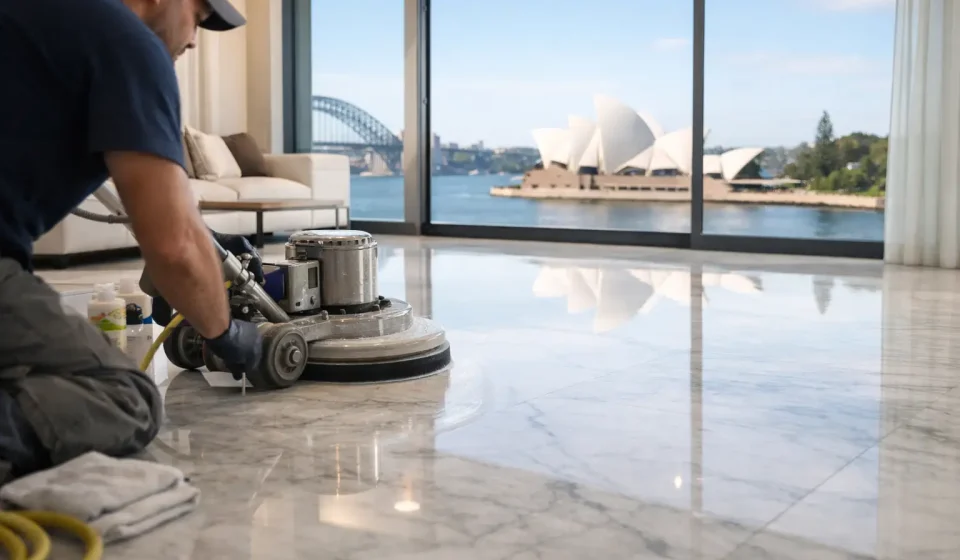
Sydney Stone Restoration: Preserving the City’s Architectural Legacy
Sydney, with its impressive mix of modern skyscrapers, heritage buildings and historic sandstone structures, has an architectural identity worth preserving. From grand public buildings to charming residential properties, natural stone adds character and timeless appeal to the city. However, exposure to changing weather conditions, pollution and everyday wear can gradually affect its appearance and strength. This is where Sydney stone restoration plays an important role, helping preserve the beauty, durability and historical value of stone surfaces across residential, commercial and heritage properties.
Understanding Sydney’s Sandstone Heritage
Sydney has a long-standing connection with sandstone architecture. Locally sourced sandstone, often recognised for its warm golden appearance, has been used in buildings, monuments, pathways and other architectural features since the early colonial period. Its natural texture and distinctive colour give many parts of the city a recognisable character.
Over time, however, sandstone can become affected by environmental conditions and regular exposure to outdoor elements. Dust, vehicle emissions, moisture and biological growth can gradually leave marks on the surface. In older structures, these problems may also contribute to surface deterioration and weakened sections.
Professional restoration helps address such concerns while maintaining the natural appearance of the original material. Careful cleaning, surface repairs and appropriate protective treatments can help retain the character of sandstone without compromising its traditional appeal.
How Sydney’s Climate Affects Natural Stone
Sydney experiences a combination of warm summers, seasonal rainfall, coastal humidity and salty sea air. Although these conditions contribute to the city’s lifestyle and natural beauty, they can create difficulties for maintaining stone surfaces.
Coastal properties are particularly exposed to salt deposits, which may enter porous stone and contribute to surface damage. Rainwater can also carry dirt into small openings, while repeated moisture exposure may encourage mould, algae and other organic growth.
Temperature changes and everyday environmental exposure can gradually affect the condition of marble, limestone, sandstone and other natural materials. Outdoor steps, pathways, balconies, facades and garden features are often more exposed to such problems.
Regular inspections and suitable maintenance can help identify early signs of deterioration. Addressing minor issues before significant damage develops can reduce the need for extensive repairs and help extend the life of stone installations.
Restoration Techniques That Protect Natural Stone
Stone restoration requires a careful approach because different materials respond differently to cleaning products, equipment and treatments. Selecting the right technique is essential for achieving a clean finish without affecting the natural structure.
Some commonly used restoration methods include:
- Gentle Stone Cleaning: Specialised cleaning methods help remove accumulated dirt, surface stains and environmental deposits without causing unnecessary damage.
- Grinding and Honing: These processes help reduce surface imperfections, scratches and uneven areas, creating a smoother and more consistent appearance.
- Stone Polishing: Polishing helps restore the natural lustre of suitable stone surfaces, particularly marble and other polished materials.
- Crack and Chip Repairs: Damaged edges, small cracks and chipped sections can be repaired using suitable materials and colour-matching techniques.
- Sealing and Protection: Appropriate sealants help reduce moisture absorption and staining, making regular maintenance easier.
The choice of restoration method depends on the stone type, its existing condition and the level of damage. A professional assessment helps determine the most suitable treatment for each surface.
Preserving Sydney’s Heritage Buildings and Landmarks
Sydney’s architectural heritage includes many buildings featuring sandstone facades, decorative stonework, historic steps and detailed architectural elements. Structures such as the Queen Victoria Building and the State Theatre demonstrate the lasting appeal of traditional craftsmanship and carefully selected materials.
Maintaining these structures requires more than ordinary cleaning. Heritage stonework often contains delicate details that need specialised attention. Aggressive cleaning methods or unsuitable chemicals can affect the original finish and cause further deterioration.
Restoration work should therefore respect the original construction techniques and materials wherever possible. Matching replacement materials, repairing damaged sections and retaining existing architectural details can help maintain the authenticity of historic properties.
Such efforts also contribute to the preservation of Sydney’s streetscapes, allowing future generations to appreciate the city’s architectural development.
Choosing Suitable Stone Maintenance Methods
Every natural stone surface has different maintenance requirements. Marble, granite, sandstone, limestone and travertine each have individual characteristics that influence the way cleaning and restoration should be carried out.
For example, acidic cleaning products can damage marble and limestone, while excessive pressure may affect softer or weathered sandstone. Using ordinary household cleaners without understanding the material can sometimes make existing problems worse.
A suitable maintenance routine should include:
- Sweeping or dusting surfaces regularly to prevent dirt accumulation.
- Using pH-neutral cleaning products recommended for the particular stone.
- Cleaning spills promptly to minimise the risk of staining.
- Avoiding harsh chemicals, abrasive pads and unsuitable equipment.
- Arranging periodic inspections to identify cracks, loose sections or surface deterioration.
- Applying protective treatments when recommended by a stone care professional.
These simple practices can help maintain the appearance of natural stone and reduce the likelihood of avoidable damage.
The Importance of Professional Restoration Services
Restoring natural stone requires an understanding of material properties, surface conditions and appropriate repair techniques. Experienced restoration specialists can identify the cause of damage and recommend treatments that suit the specific requirements of a property.
Whether the project involves a residential marble floor, a commercial stone entrance or an older sandstone facade, careful preparation and the correct restoration process are essential. Professional attention can also help prevent unnecessary material removal and preserve the original character of the surface.
Property owners around Sydney can benefit from arranging an assessment when stone surfaces begin showing signs of discolouration, scratching, erosion or general wear. Early intervention often makes maintenance more manageable and helps protect the long-term value of stone features.
FAQs
1. Why is sandstone commonly used in Sydney’s historic buildings?
Sandstone is naturally abundant throughout the Sydney Basin. Its availability, warm colours and workable texture made it a popular building material during the city’s early development.
2. What causes natural stone to deteriorate in Sydney?
Salt exposure, moisture, pollution, temperature changes and regular foot traffic can contribute to stone deterioration. Coastal properties may experience additional challenges due to airborne salt and humidity.
3. Can scratched and damaged stone surfaces be restored?
Yes. Depending on the material and severity of the damage, suitable grinding, honing, polishing and repair techniques can improve the appearance of scratched or damaged stone.
4. How often should natural stone surfaces be maintained?
Maintenance requirements depend on the stone type, location and level of use. Regular cleaning and periodic professional inspections can help identify problems before significant deterioration occurs.
Preserving natural stone is an important part of maintaining Sydney’s architectural character and property appeal. From historic sandstone structures to contemporary marble floors, every surface benefits from appropriate care and attention. Through professional sydney stone restoration, damaged areas can be rejuvenated, natural finishes protected and valuable architectural features maintained for years to come. A thoughtful approach to restoration not only improves the appearance of stone but also helps protect its strength, character and lasting value across the city.
